
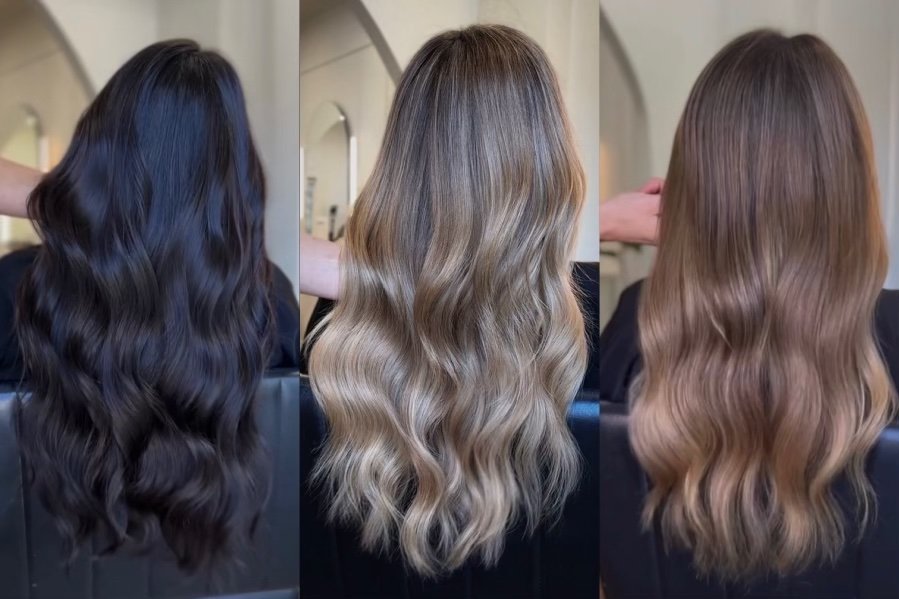
What a new study about hair extensions means for clients and professionals
Hair extensions have become one of the most transformative tools in modern beauty. From subtle volume to full, dramatic length, extensions are now a staple for both salon professionals and the clients who trust them with their hair.
But a new study examining hair extension products is bringing attention to something many professionals have known for years:
Not all hair is created equal.
Researchers recently analyzed dozens of hair extension products and identified a wide range of chemical compounds, including some substances associated with hormone disruption and other health concerns. The research does not prove that hair extensions cause cancer, but it does highlight a broader issue within the industry:
There is very little transparency around how many extension products are processed and manufactured.
And when hair sits close to the scalp for weeks at a time, that matters.
A Category With Very Little Oversight
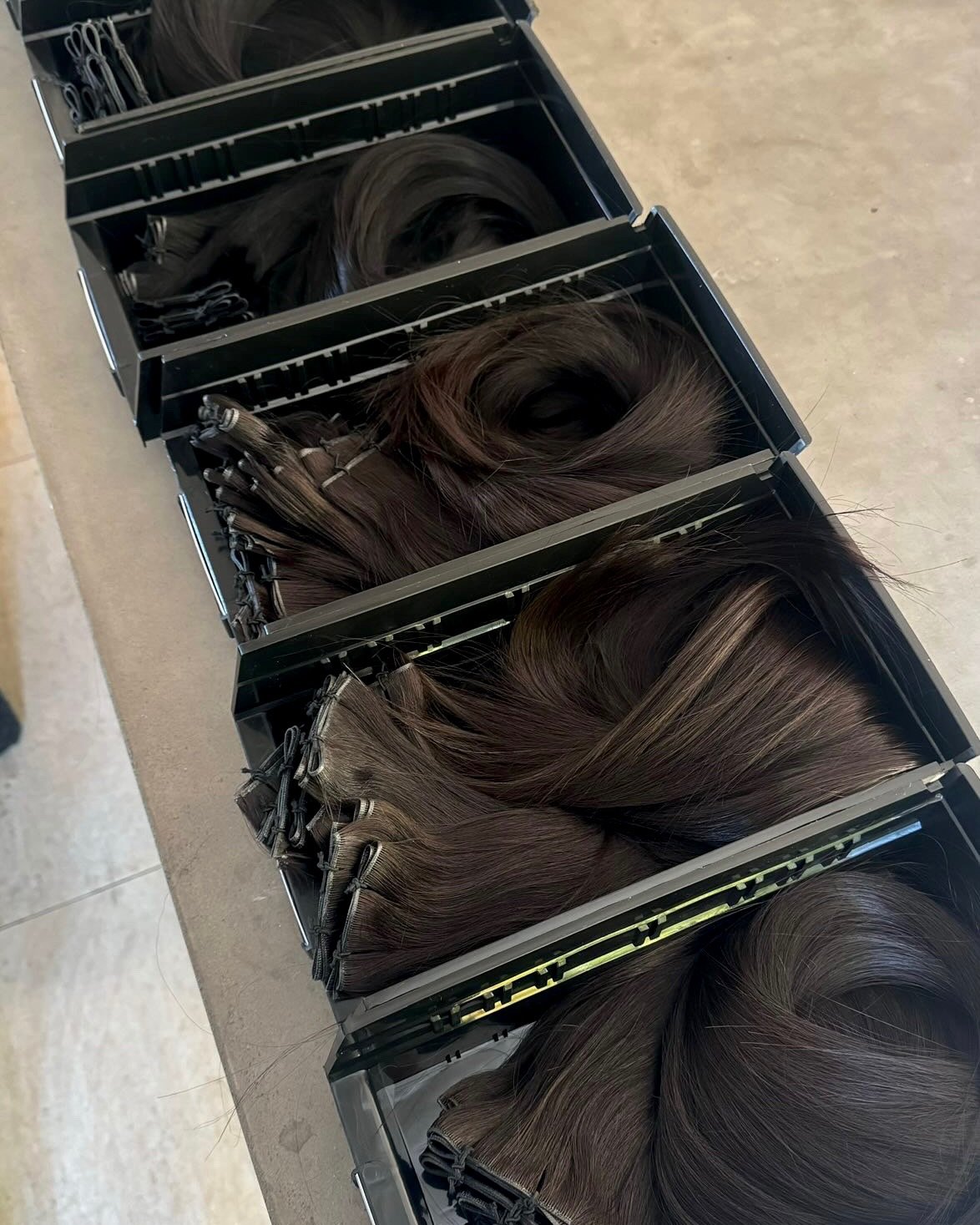
Hair extensions occupy a unique space within the beauty industry. Unlike many cosmetic products, hair itself is not required to undergo strict safety testing before entering the market in the United States.
Researchers examining extension samples identified hundreds of chemical signatures, including substances sometimes used in industrial processing, synthetic fiber production, or preservation methods.
In many cases, these compounds are not intentionally added for beauty performance. Instead, they can appear during manufacturing or heavy processing used to make lower-quality hair appear uniform or smooth.
Some of these processes can include:
aggressive bleaching or lightening
chemical smoothing treatments
silicone coatings used to mask damage
preservatives used during storage or transport
synthetic fiber blends designed to mimic human hair
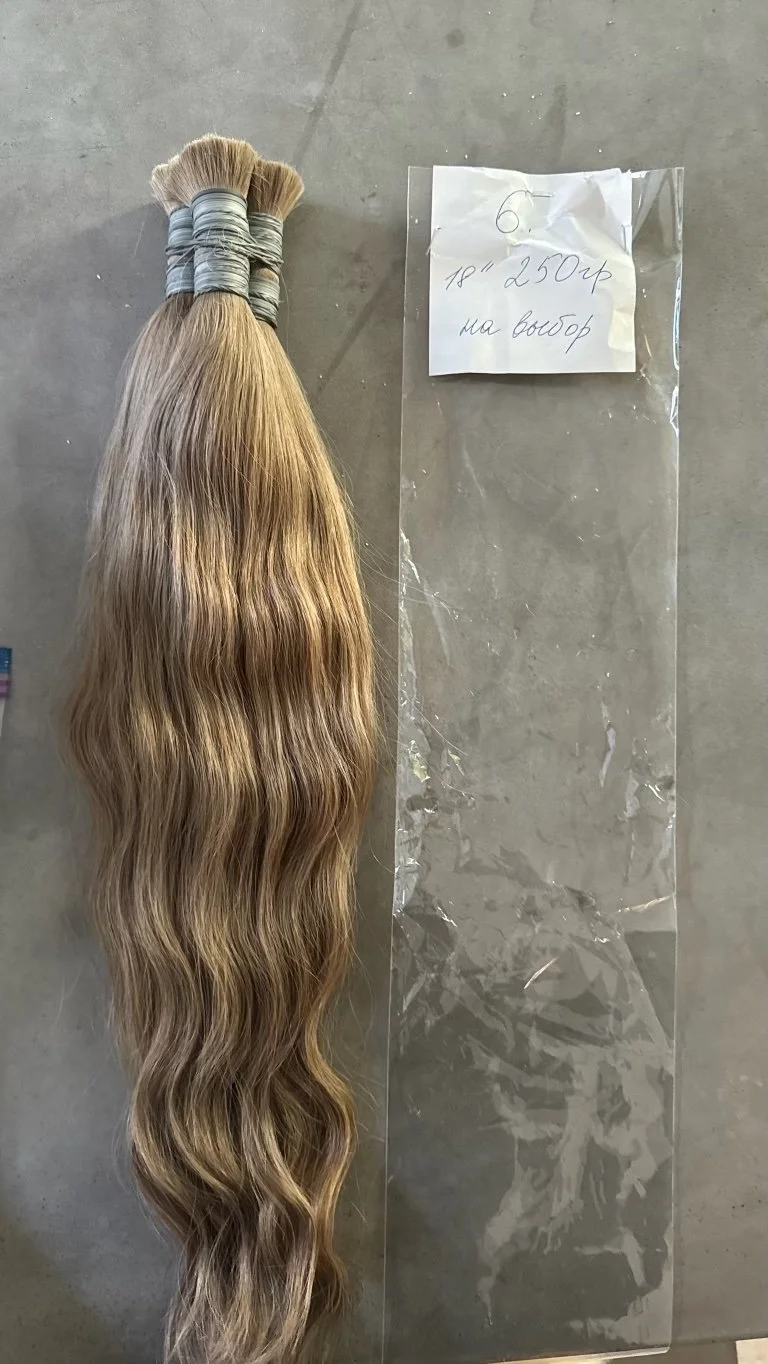
The challenge is that most brands never disclose how their hair is processed before it reaches a salon or client.
Why Hair Quality Matters
When people talk about “good hair,” the conversation usually focuses on how the extensions look and feel. Softness. Shine. Longevity. Color match.
But quality actually begins long before installation.
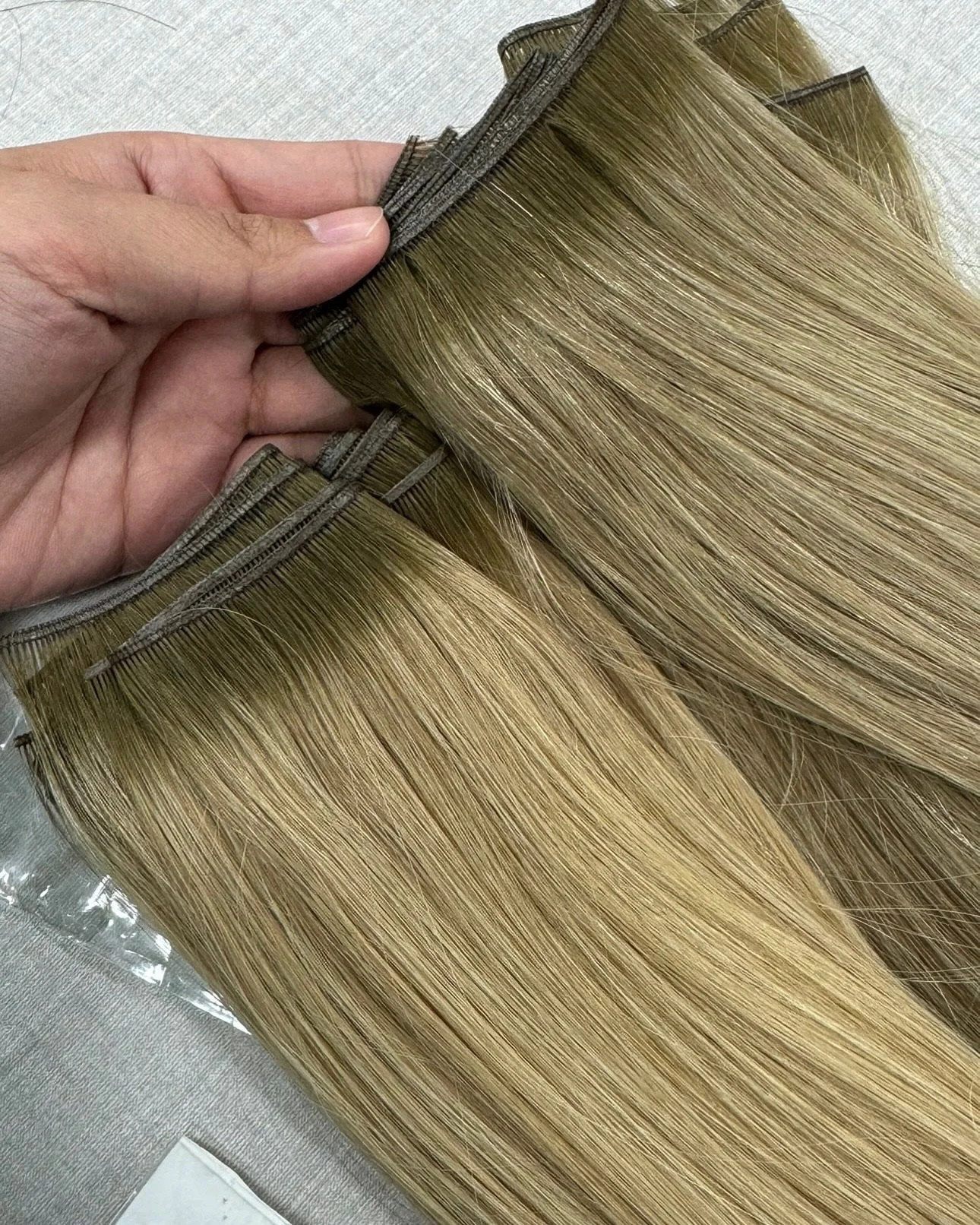
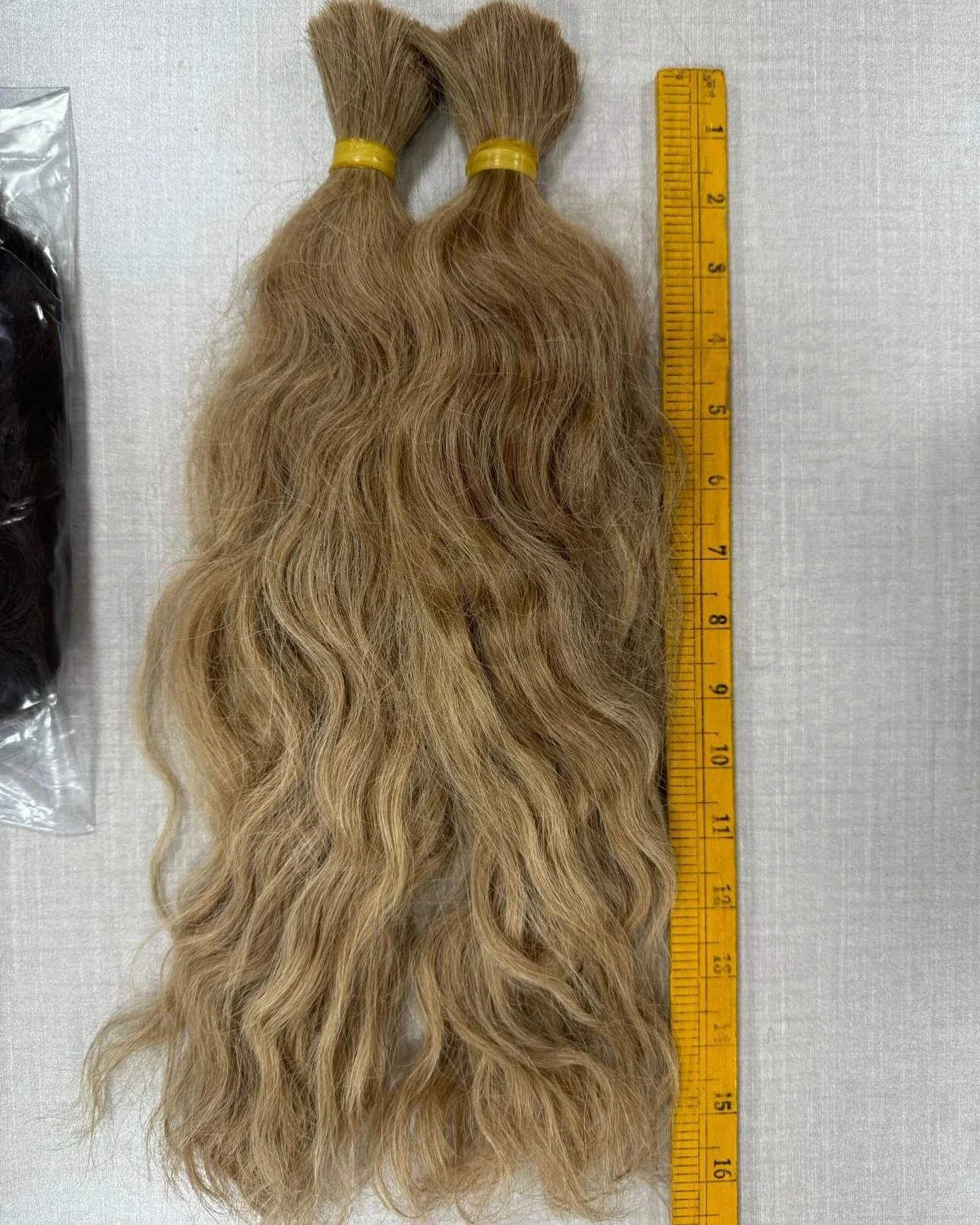
Lower-quality extension hair is often heavily processed to make it appear smooth, shiny, and uniform on day one. While these treatments can improve the appearance initially, they can also compromise the structure of the hair itself.
This is why both stylists and clients often experience the same issues with poorly processed hair:
tangling
matting
excessive shedding
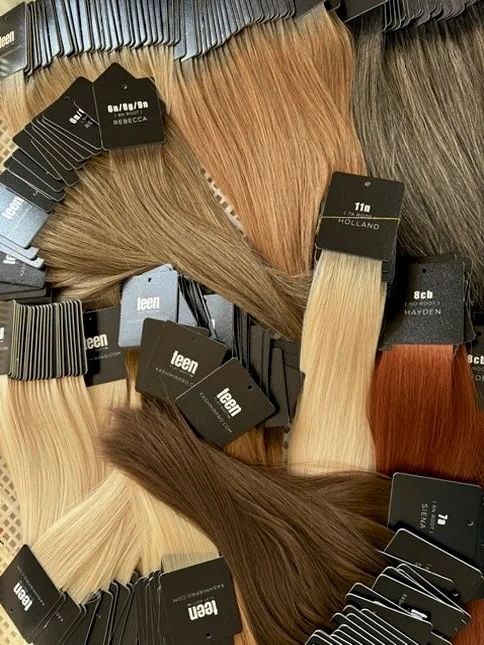
unpredictable color results
a shorter lifespan
In many cases, the more a hair product has been processed, the more likely it is to break down over time.
What Professionals Should Be Asking
For stylists, this conversation is less about fear and more about standards and education.
Clients trust their stylist not only with how their hair looks, but with the products placed directly on their scalp.
As awareness grows, many extension artists are beginning to ask deeper questions about the hair they work with:
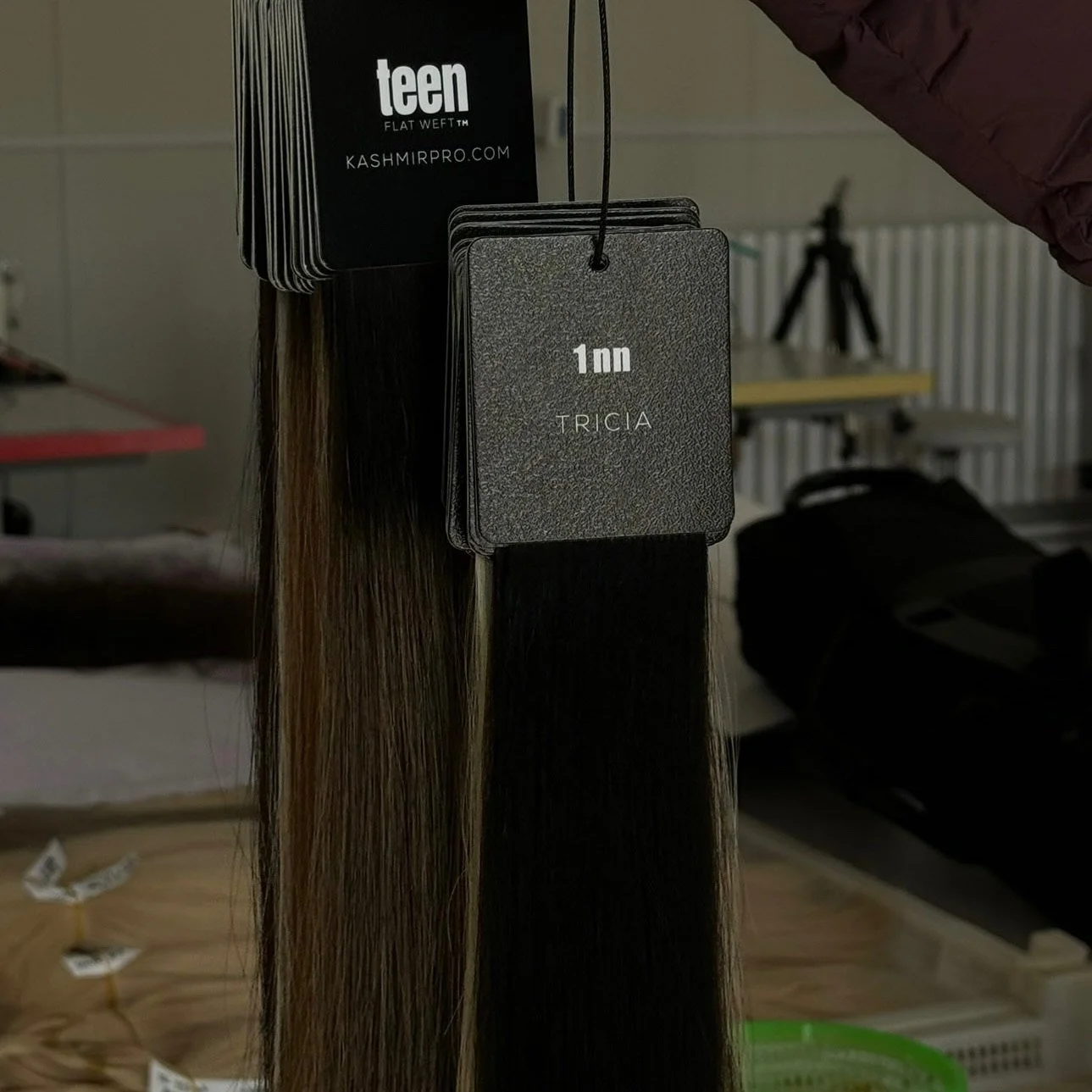
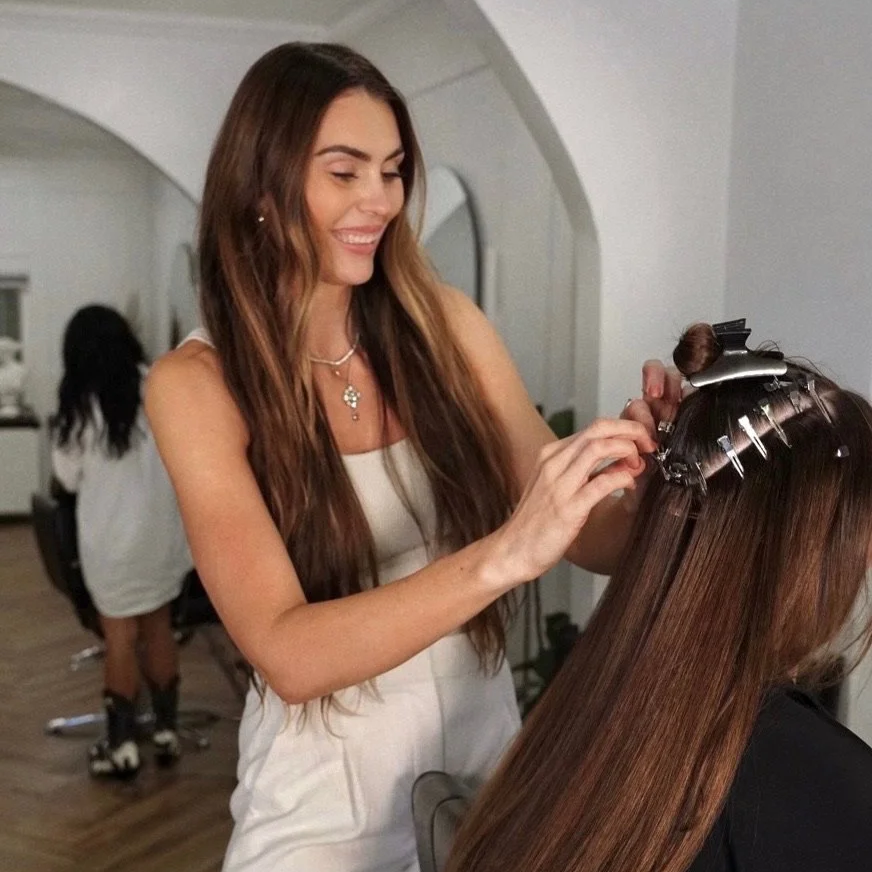
Where is the hair sourced?
How is the hair processed before reaching the salon?
Is the hair coated with silicone or artificial smoothing agents?
How transparent is the brand about its manufacturing?
Understanding these factors helps professionals choose products that perform better and last longer for their clients.
What Clients Should Know
For clients who wear extensions, the takeaway is simple.
Hair extensions themselves are not inherently unsafe, but the quality and processing of the hair matters.
Just like skincare, makeup, or supplements, products can vary widely depending on how they’re made.
High-quality extension hair typically prioritizes:
responsible sourcing
minimal chemical processing
intact cuticle alignment
consistent performance over time
When the hair itself is well made, it tends to behave more like natural hair and last longer between appointments.
The Kashmir Perspective
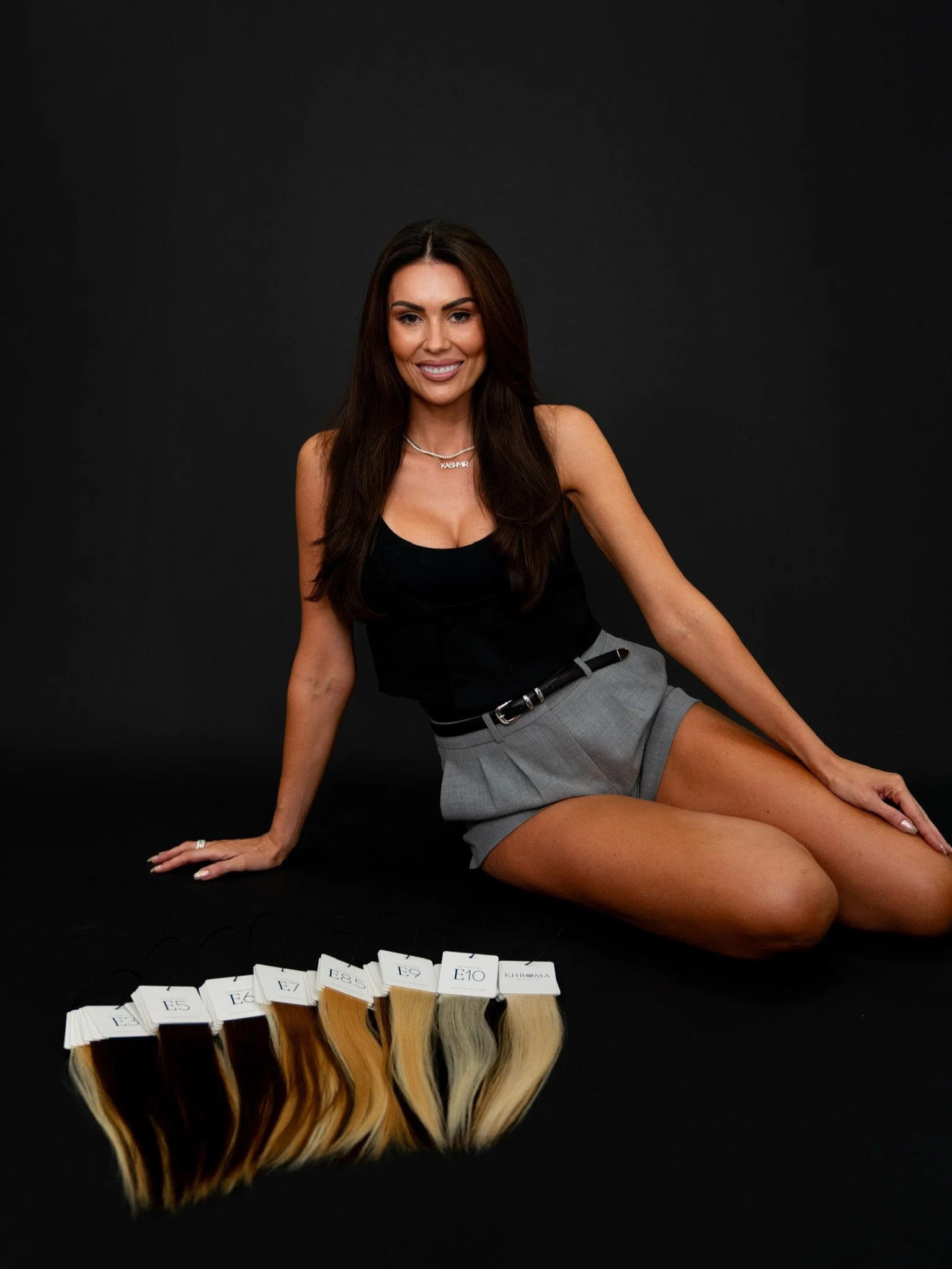
At Kashmir, the philosophy has always been straightforward:
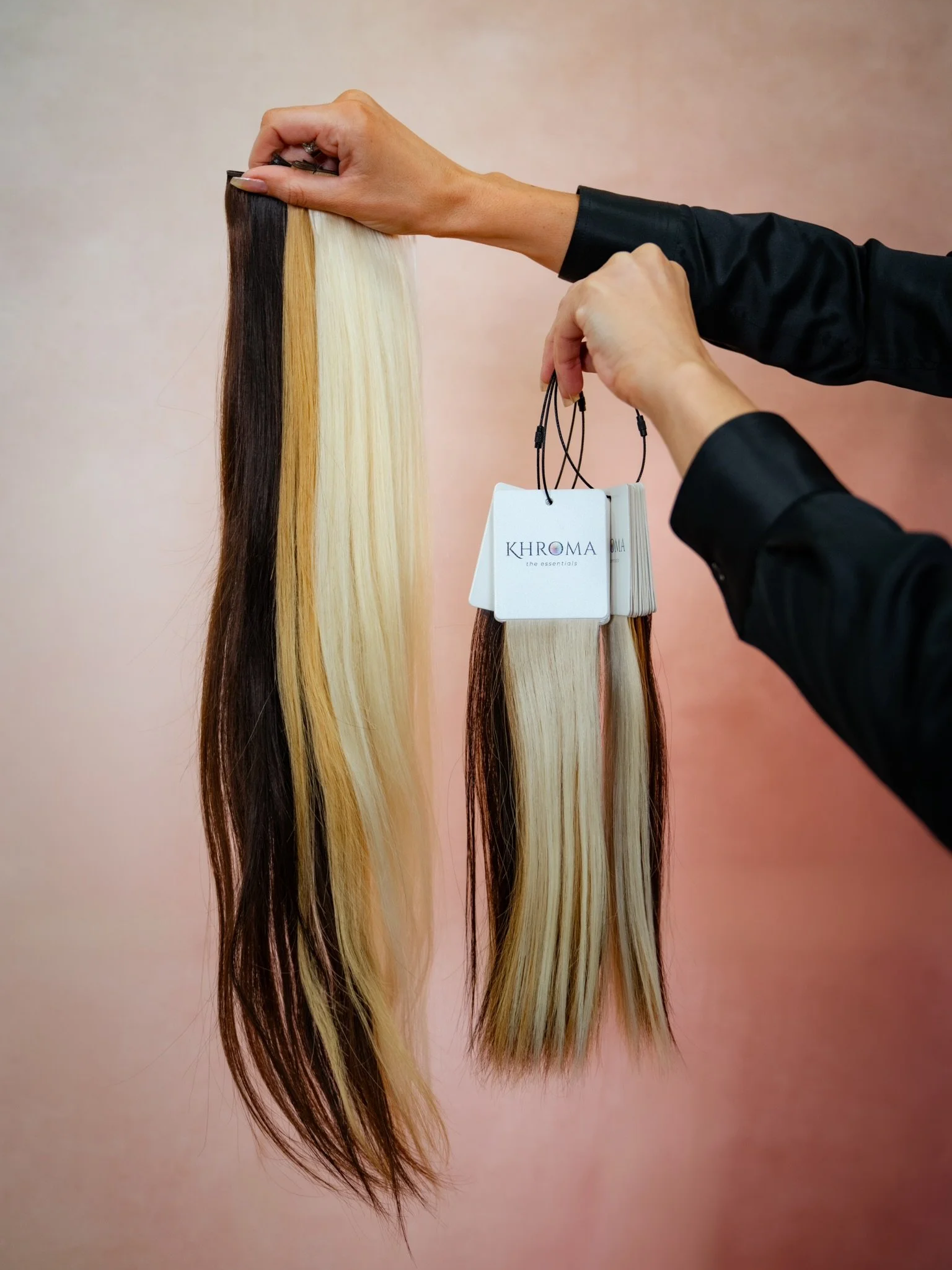
Start with exceptional hair.
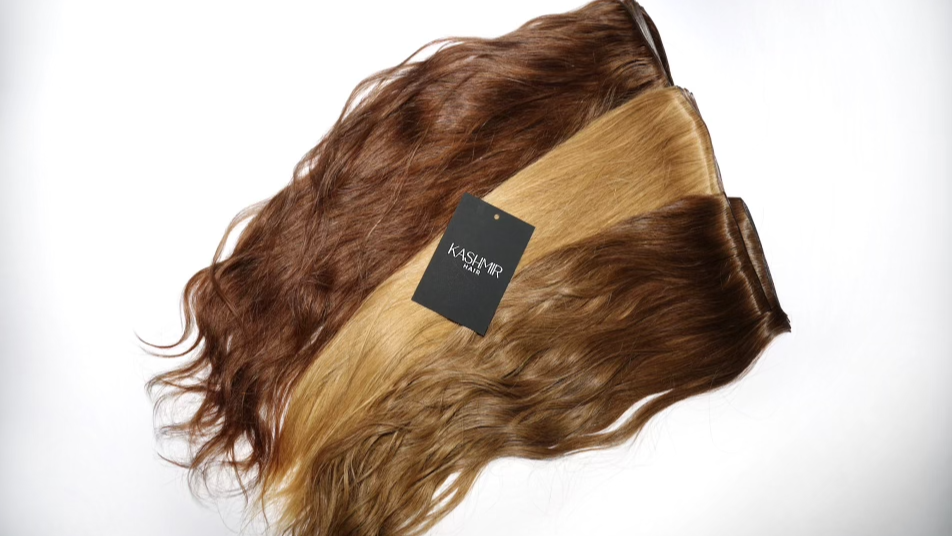
Hair that is responsibly sourced, thoughtfully processed, and designed to perform behind the chair and in real life.
Because whether you're a stylist installing extensions or a client wearing them, the foundation matters.
When the hair itself is right, everything else becomes easier:
blending
customization
color work
longevity
and ultimately, trust.
Hair extensions should elevate your look — and feel just as good as they look.
Sources: American Chemical Society Environmental Health study on hair extension products; Healthline coverage of the research.