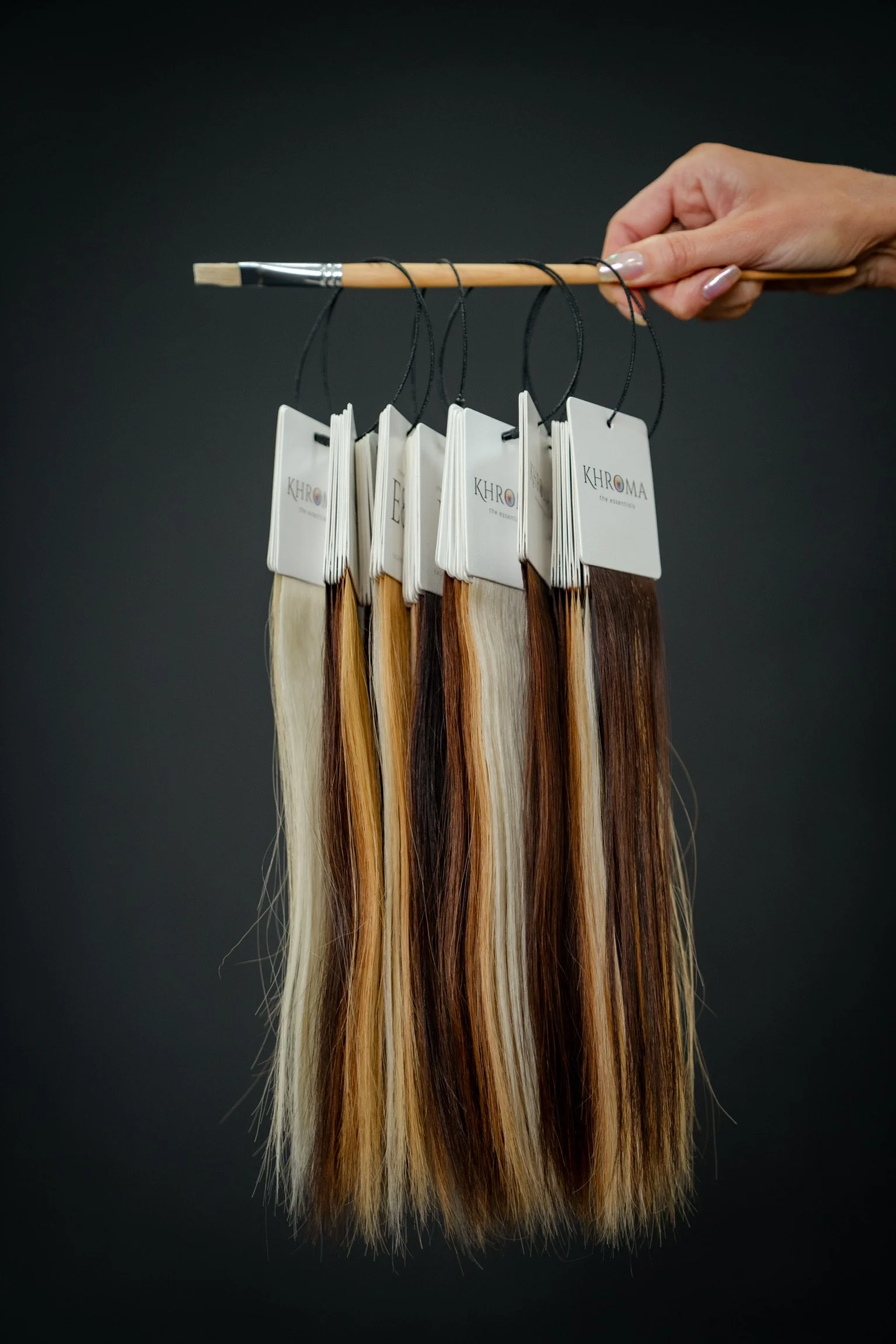
For years, the beauty industry has been built around one idea:
Wait until something goes wrong, then fix it.
Fine lines? Retinol.
Dry skin? Moisturizer.
Damaged hair? Repair mask.
But skincare changed that mindset.
Today, consumers invest in daily SPF, antioxidants, collagen support, and barrier repair—not because their skin is damaged, but because they want to preserve healthy skin for as long as possible.
Now, that same shift is happening in hair care.
The conversation is no longer just about repairing damage after it happens. It's about protecting your hair before damage occurs and supporting its long-term health.
Welcome to the proactive era of hair care.
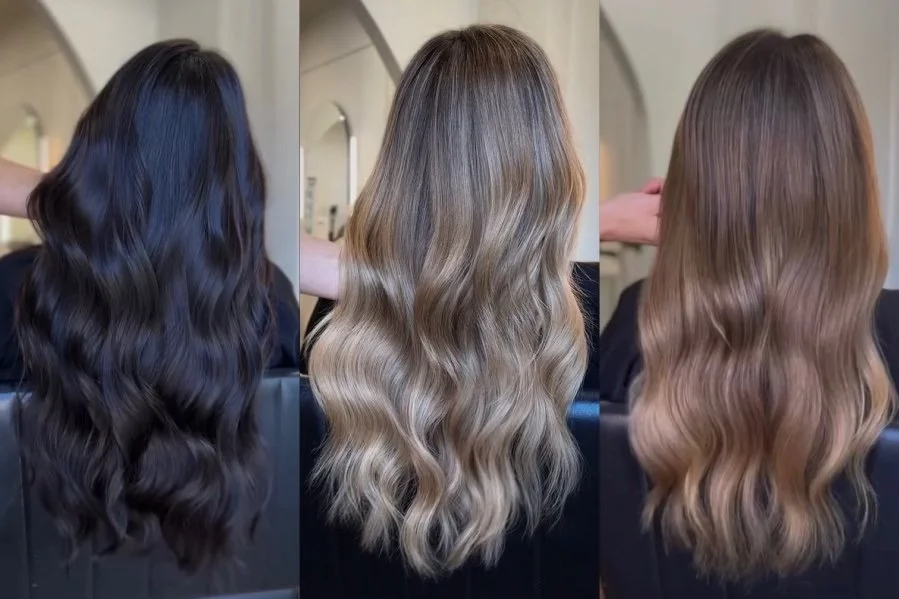
Hair Ages Long Before We Notice It
One of the biggest misconceptions about hair is that aging only starts later in life.
In reality, our hair is exposed to small amounts of stress every single day.
Heat styling.
UV exposure.
Pollution.
Hard water.
Chemical services.
Mechanical stress from brushing.
Environmental aggressors.

None of these instantly age your hair, but together they slowly impact the integrity of the hair fiber and scalp.
Over time, that can lead to:
Less shine
Increased dryness
More breakage
Rougher texture
Reduced elasticity
Hair that simply doesn't behave the way it once did
Just because the damage isn't obvious yet doesn't mean it isn't happening. That's why the beauty industry is shifting from repair to prevention.
Hair Health Starts From Within
While the products you use are important, they're only part of the equation.
Hair is often one of the first places your body reflects what's happening internally. Changes in texture, density, growth, or shedding can sometimes be linked to factors beyond your hair routine.
These may include:
Hormonal changes, including postpartum, perimenopause, menopause, or thyroid conditions
Chronic stress, which can contribute to increased shedding
Nutrition, including adequate protein and essential nutrients like iron, vitamin D, zinc, and B vitamins
Sleep quality, which supports the body's natural repair processes
Certain medications that can influence the hair growth cycle
Overall scalp health, which creates the foundation for healthy hair growth
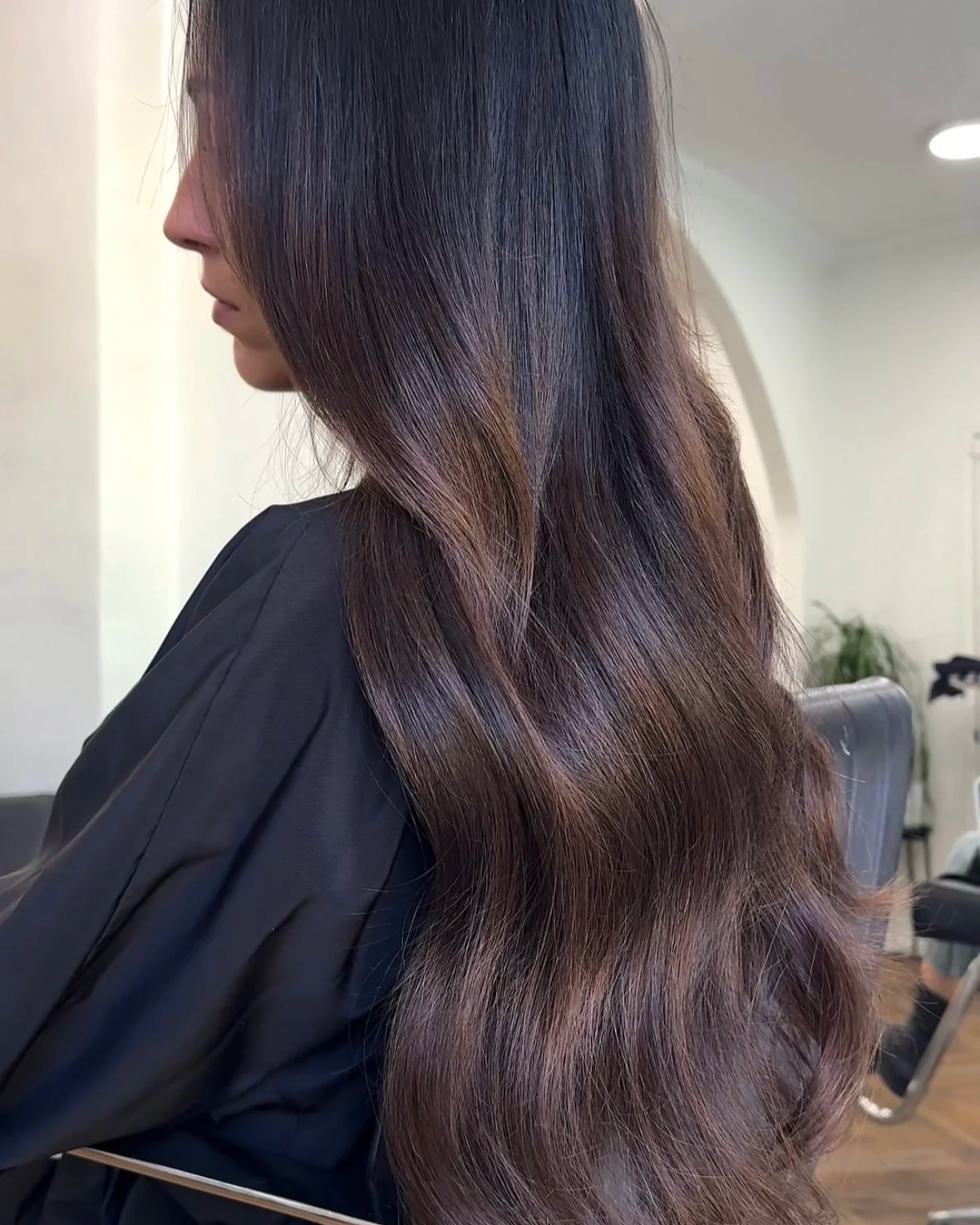
While not every cause is preventable, supporting your overall health can play an important role in maintaining healthier hair over time. If you experience sudden or significant changes in your hair, it's always best to consult with your healthcare provider.
Hair longevity isn't created by one miracle product. It's the result of supporting your hair from the inside and protecting it on the outside.
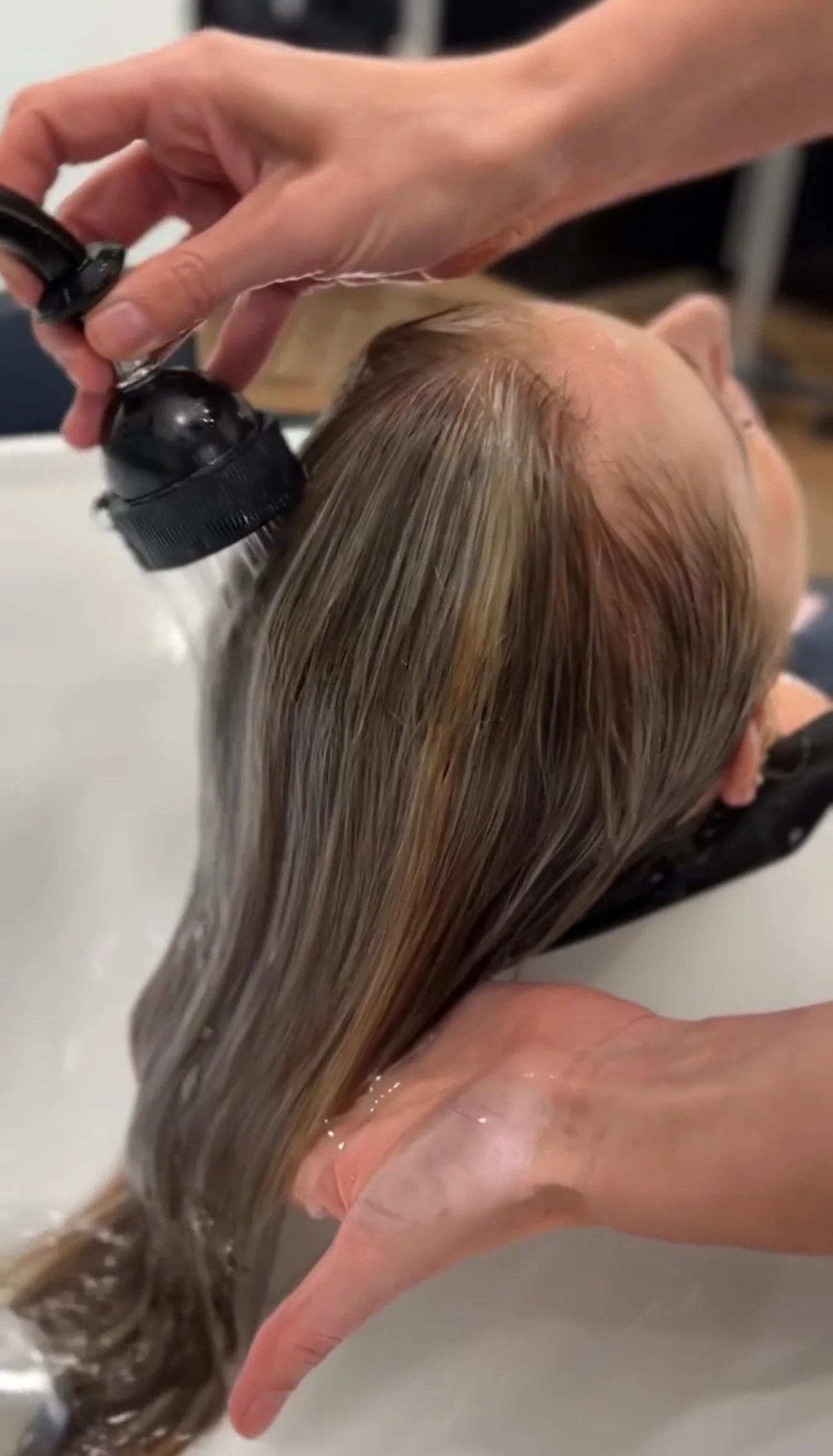
Hair Care Is Following Skincare
Think about your skincare routine.
You don't wait until you're sunburned to wear SPF. You don't wait until your skin barrier is compromised before moisturizing.
You protect what you already have.
Hair deserves the same mindset.
Across the professional beauty industry, we're seeing an increased focus on scalp health, ingredient innovation, environmental protection, and daily routines that preserve hair before visible damage occurs.
Instead of asking:"How do I repair damaged hair?"
Consumers are beginning to ask: "How do I keep my hair healthy for years to come?"
That's a completely different conversation.
Three Common Myths About Hair Aging
Myth #1: Hair only ages because you get older.
Not exactly.
While genetics certainly play a role, lifestyle and environmental exposure significantly influence how healthy hair looks and feels over time. Heat styling, UV exposure, pollution, and chemical processing all contribute to cumulative wear on the hair fiber.
Myth #2: Expensive products can completely reverse damage.
Quality products absolutely matter—but prevention will always outperform correction.
Consistent care, gentle handling, healthy habits, and professional maintenance help preserve the integrity of your hair long before severe damage develops.
Myth #3: Healthy hair starts with the hair itself.
Healthy hair starts at the scalp.
Just as healthy soil grows healthier plants, a healthy scalp provides the best environment for stronger, healthier-looking hair.
That's why scalp care has become one of the fastest-growing categories in professional beauty.
What You Can Control
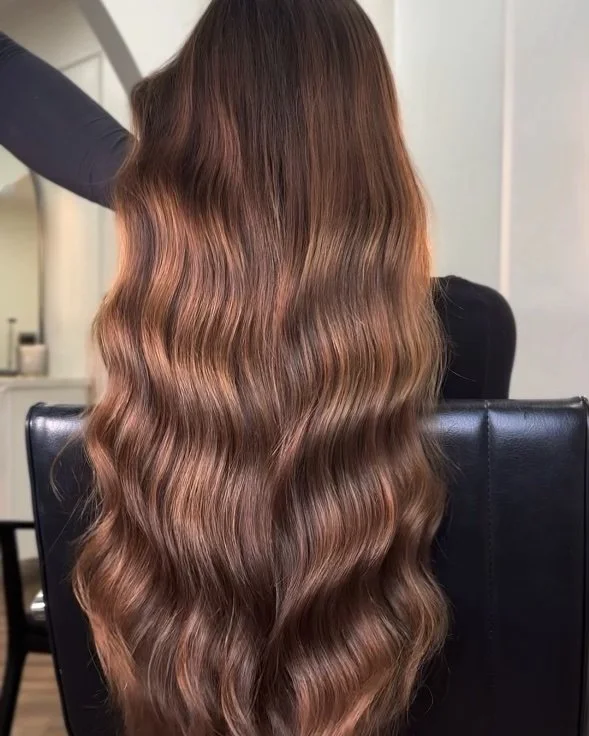
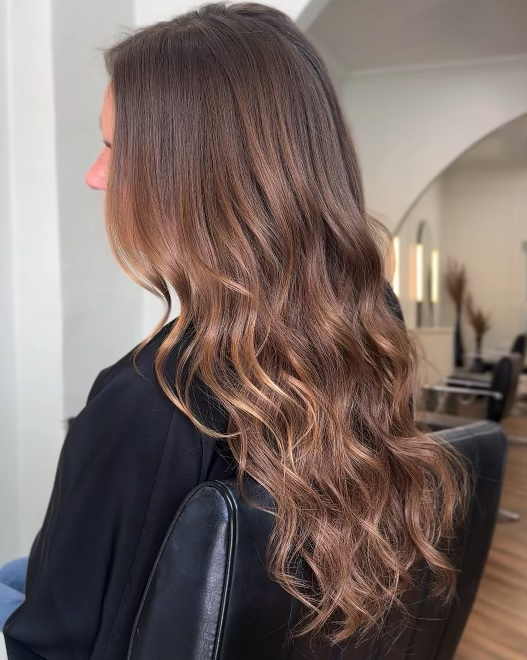
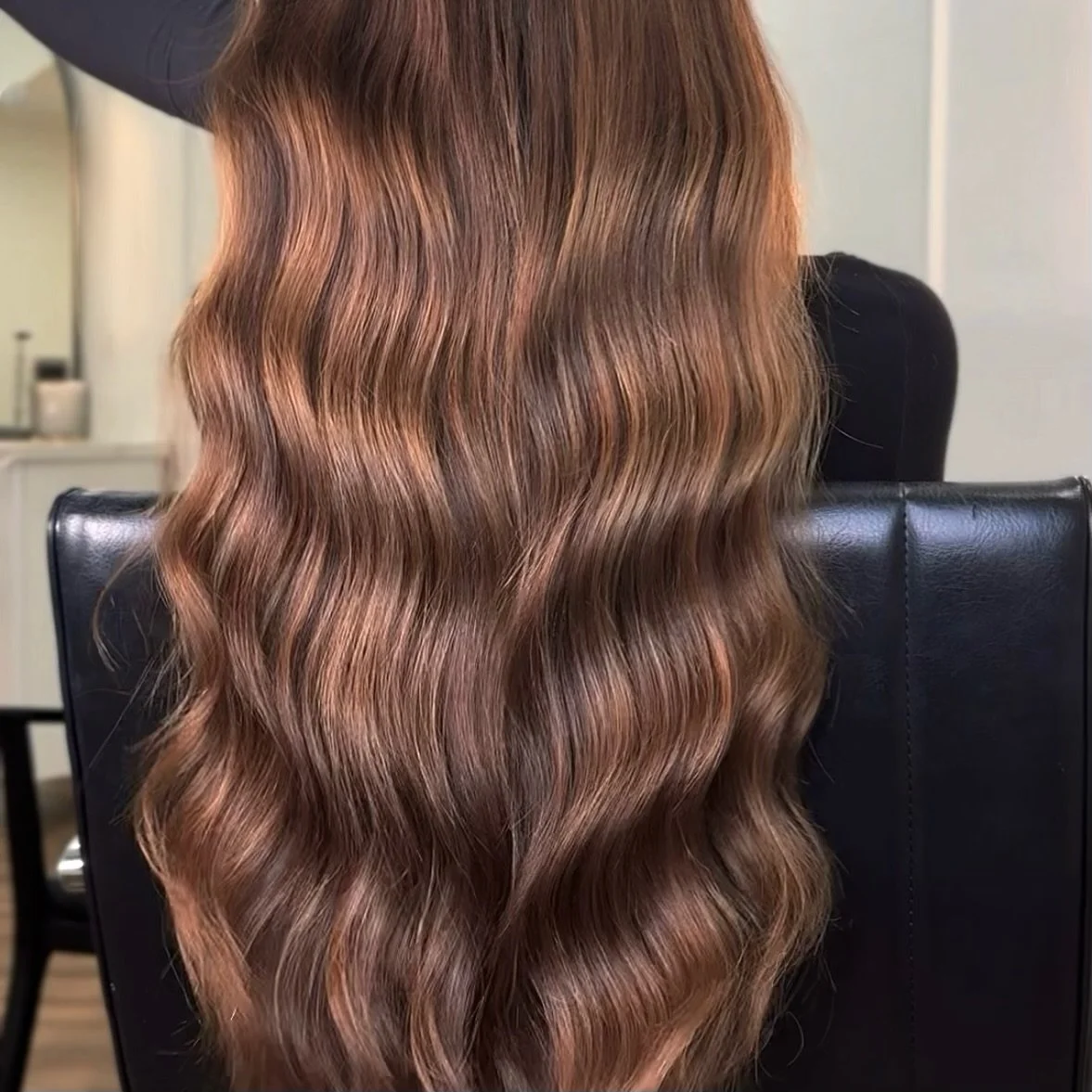
Not every aspect of hair aging is within your control—but many of your daily habits are.
Small, consistent choices often have the biggest long-term impact.
Prioritize scalp health.
Eat a balanced diet with enough protein.
Protect hair from UV exposure.
Limit unnecessary heat styling and keep your iron at 320 degrees Fahrenheit or lower.
Use professional-quality products appropriate for your hair type.
Stay consistent with trims and maintenance appointments.
Sleep with your hair in a protected hairstyle like a braid or silk bonnet.
Avoid excessive tension from overly tight hairstyles or installs.
Manage stress and prioritize overall wellness whenever possible.
Preventative care isn't about perfection.
It's about making small decisions today that your future hair will thank you for.

What This Means for Extension Wearers
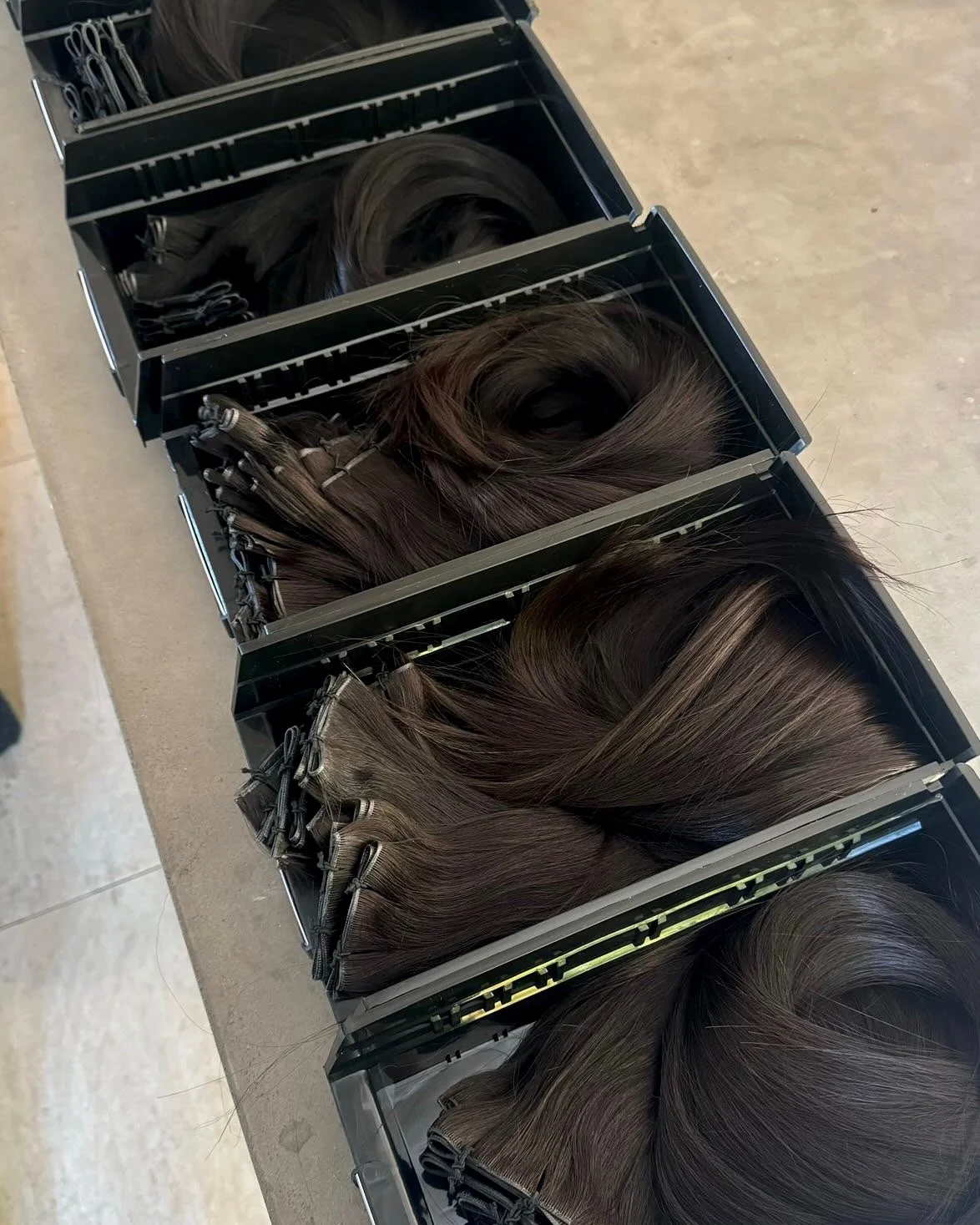
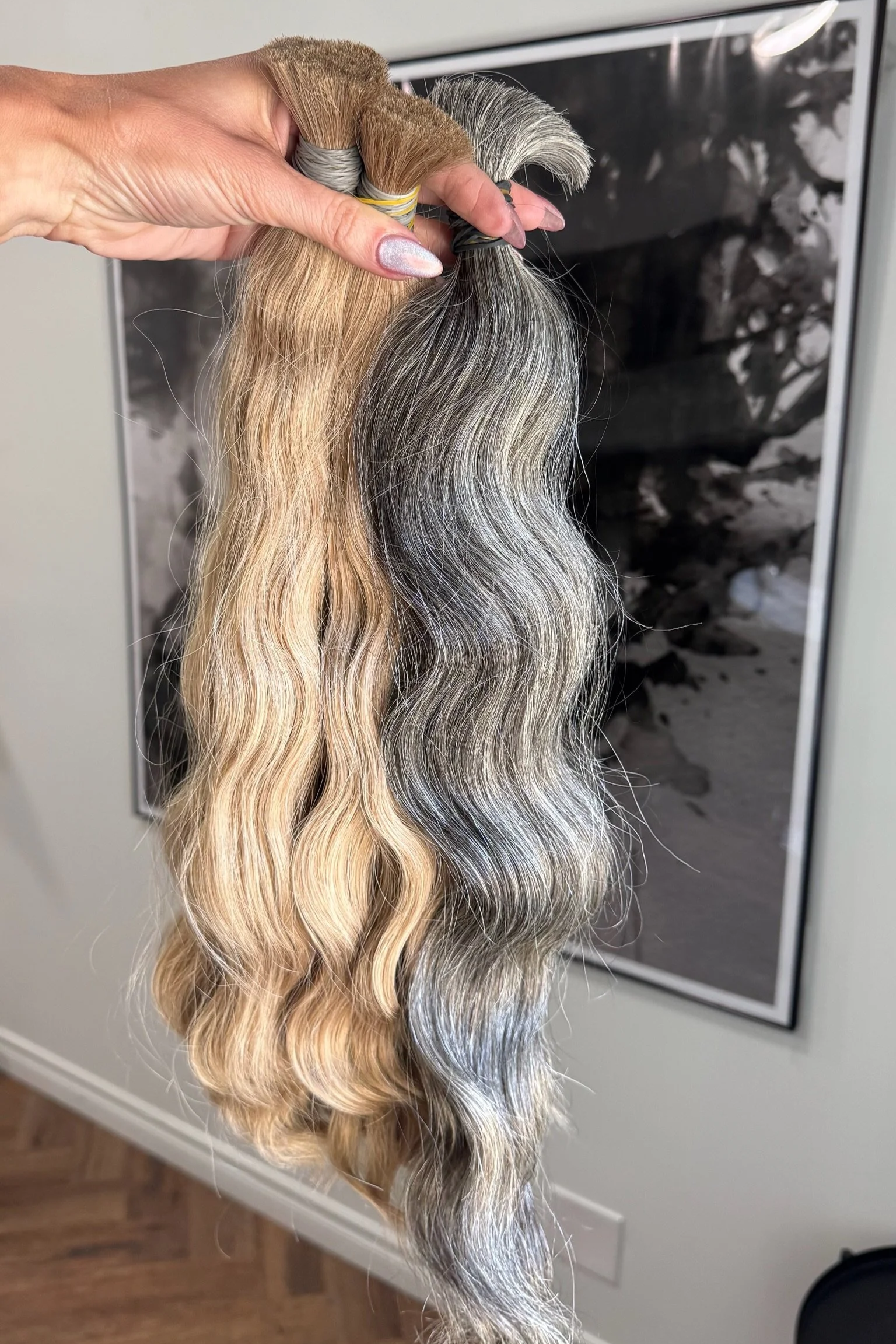
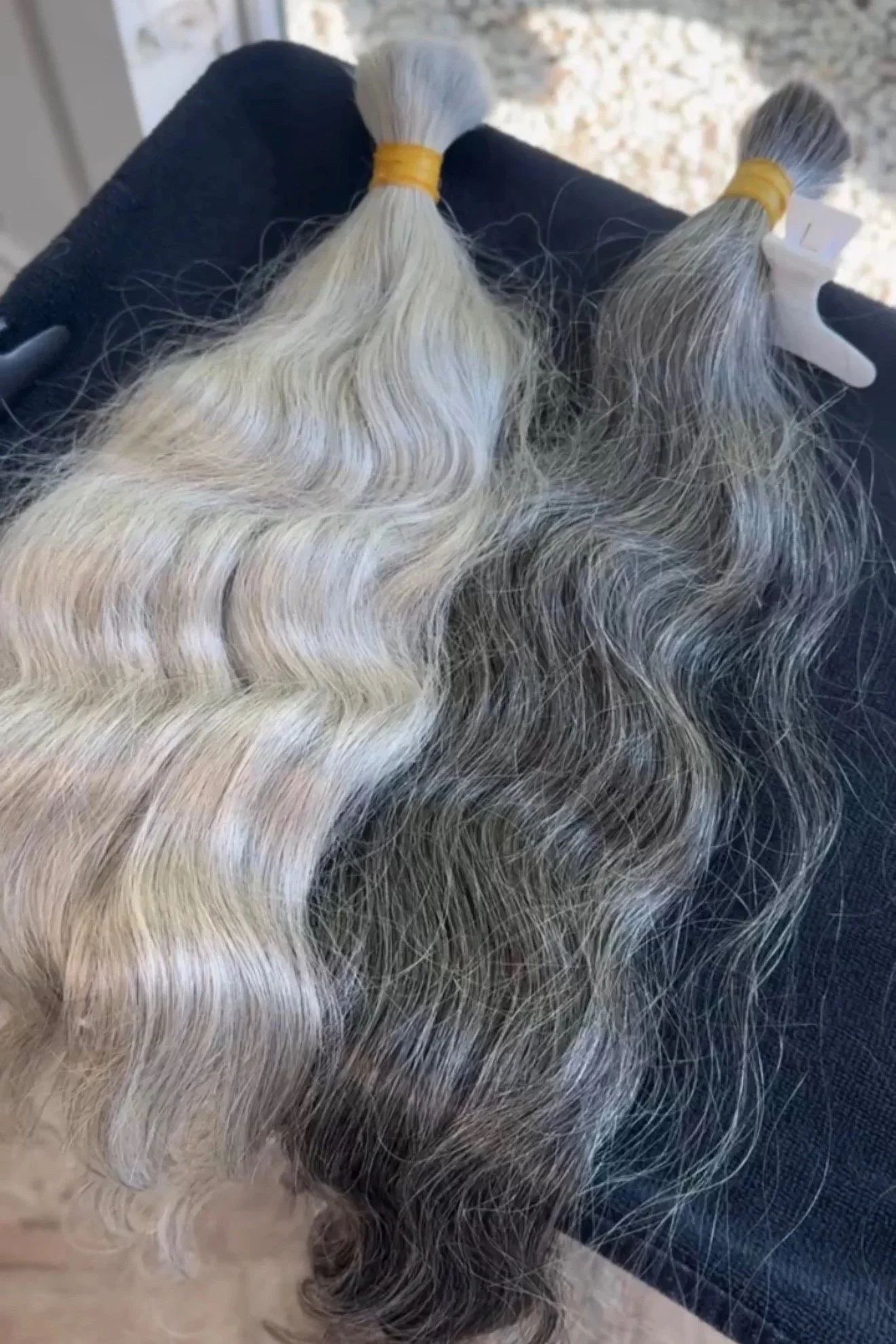
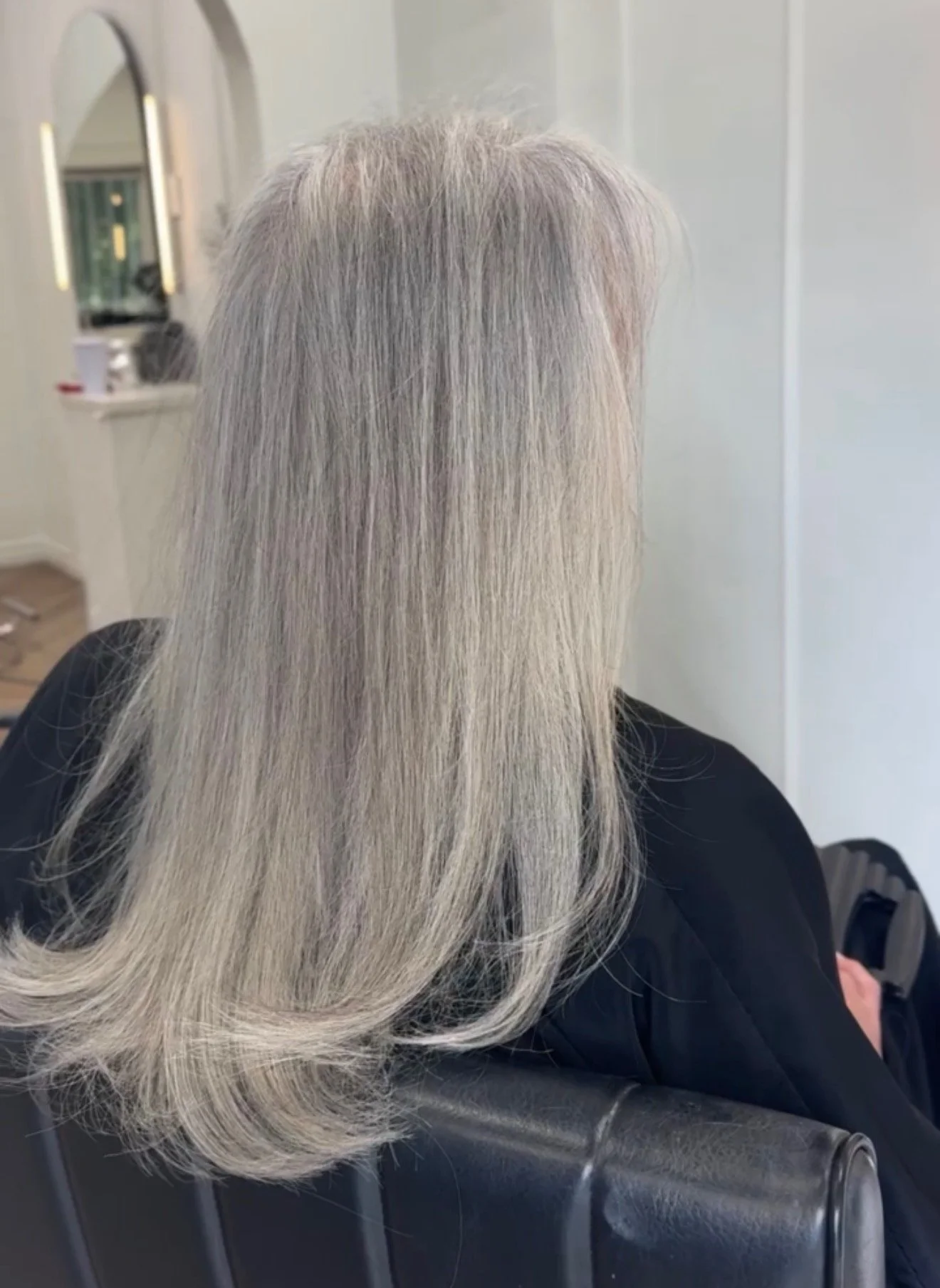
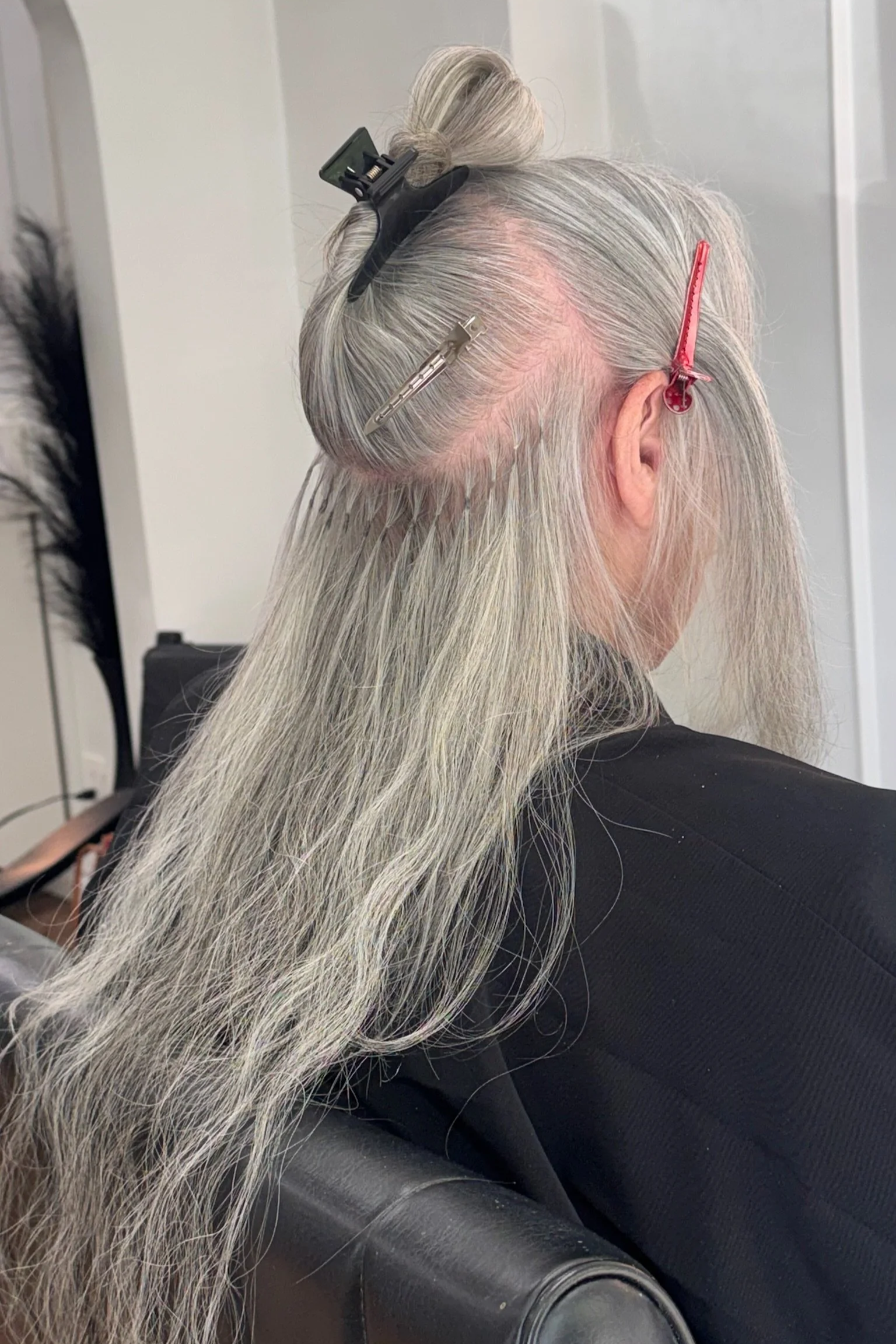
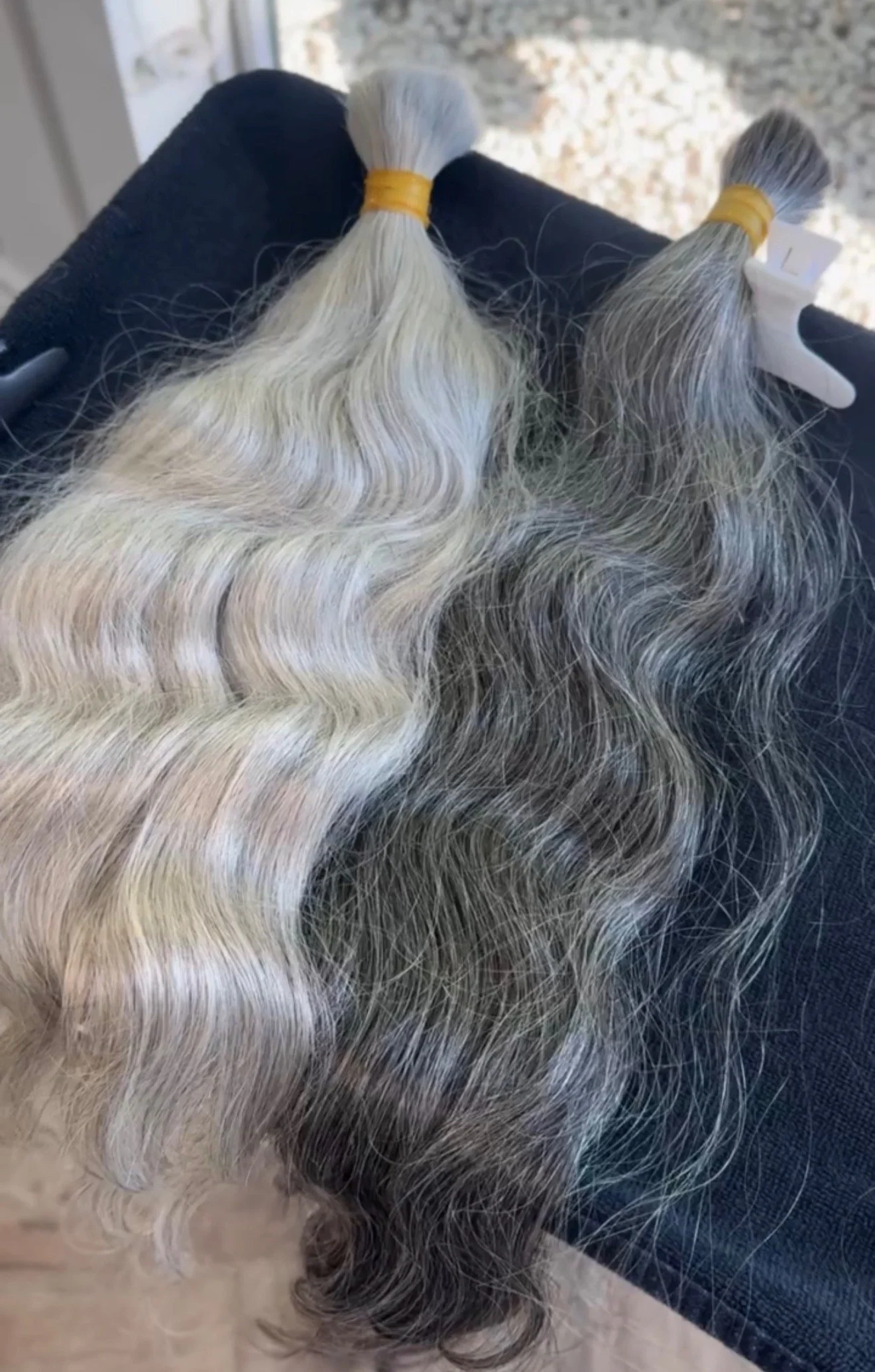
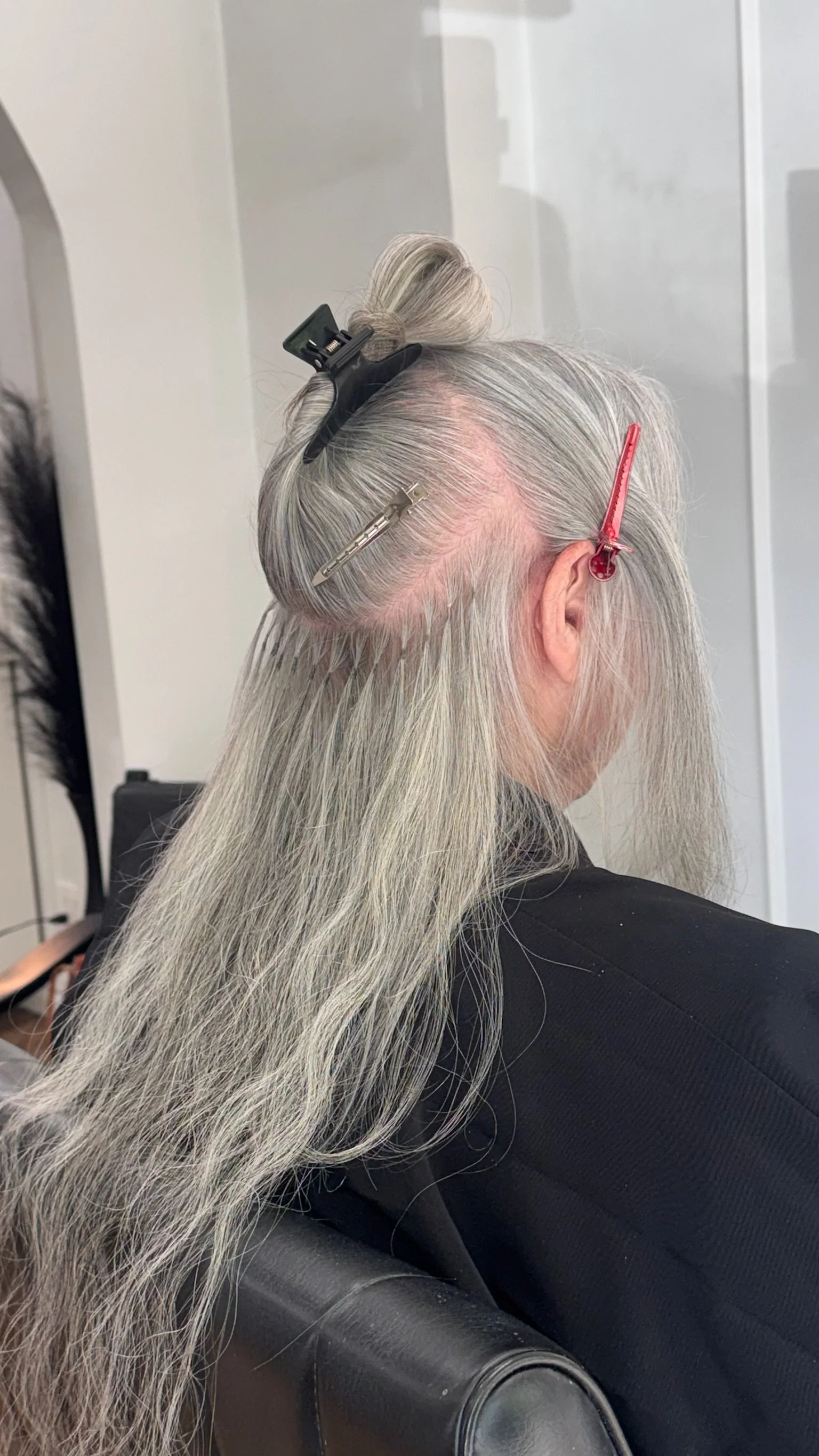
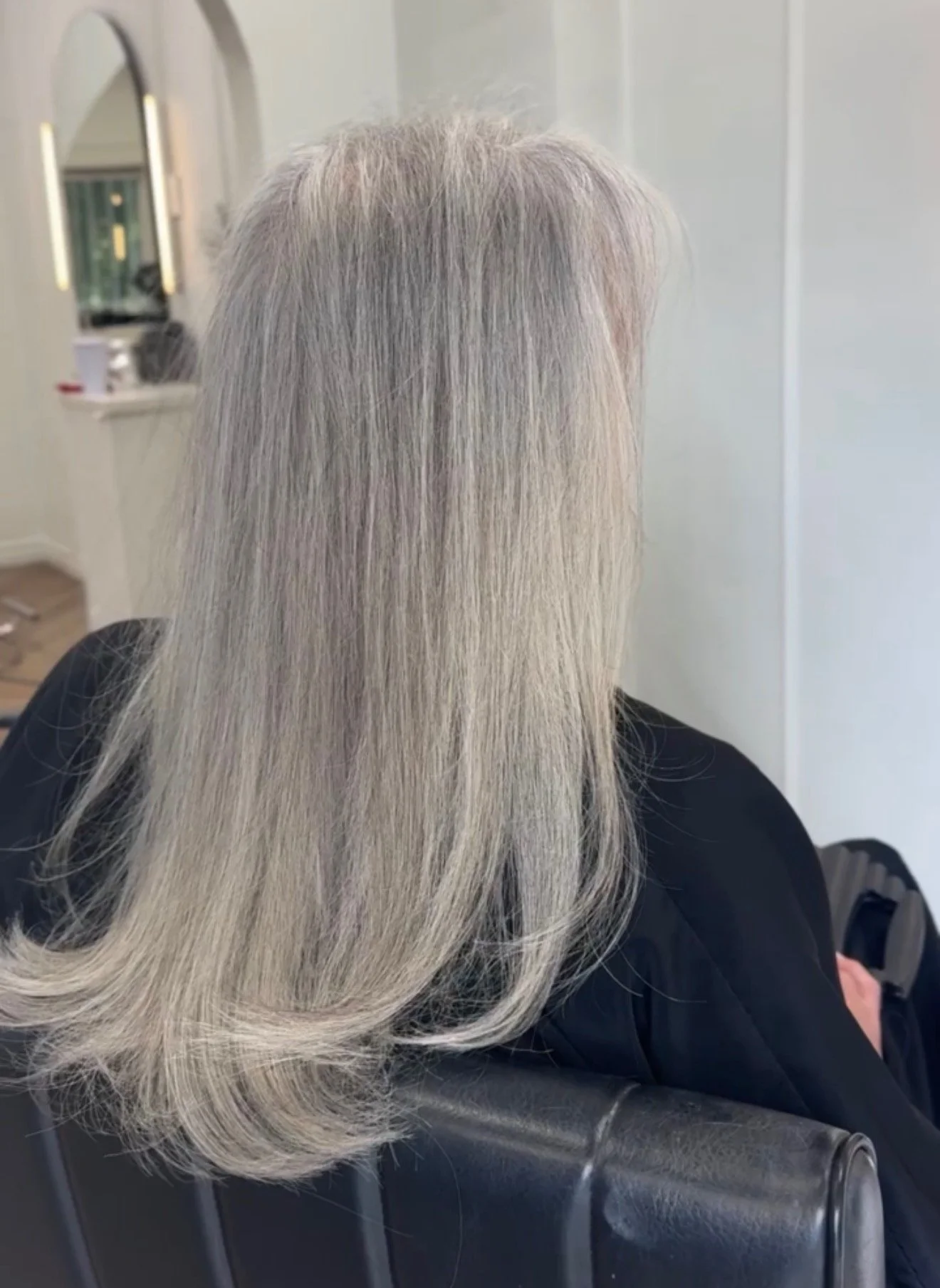
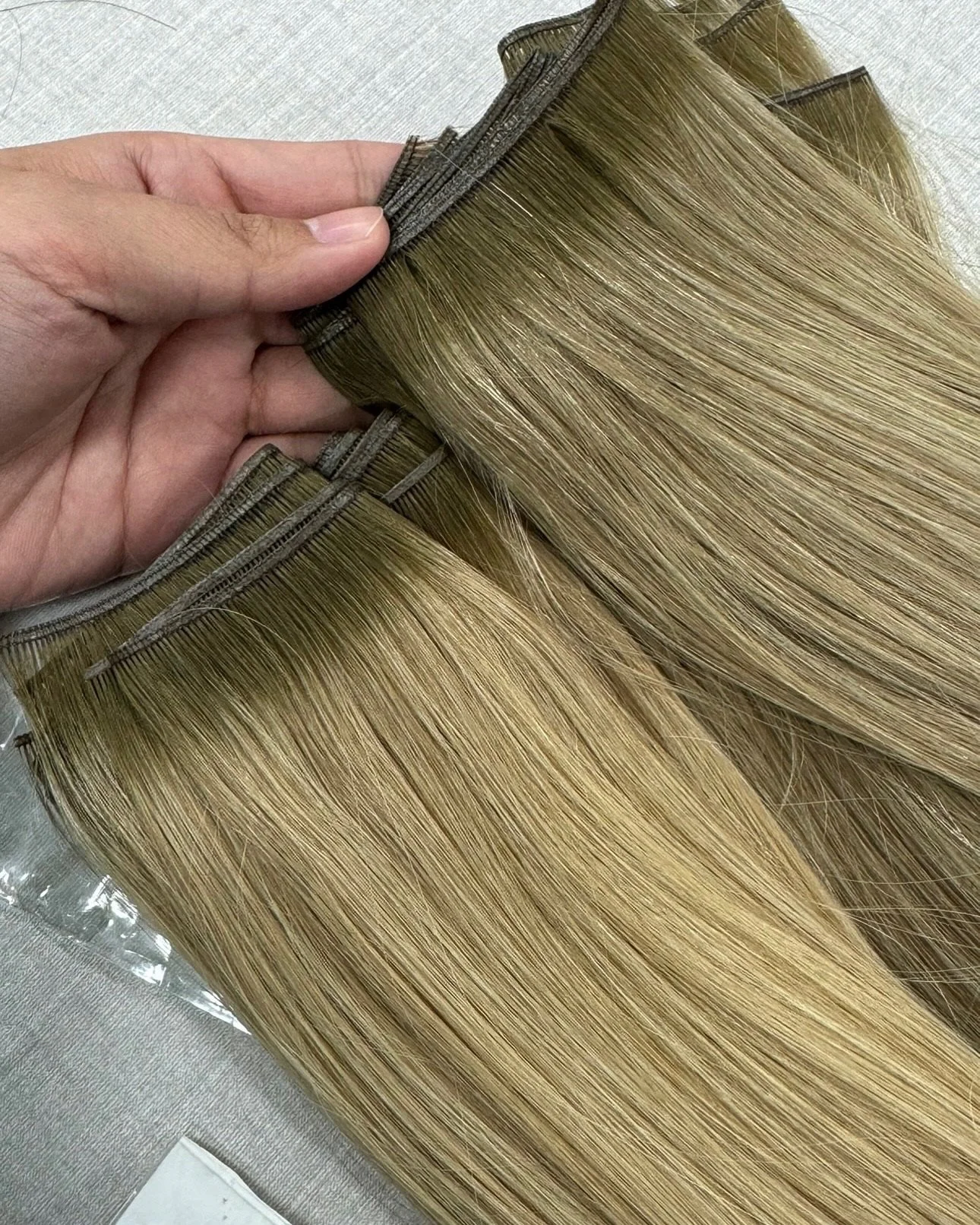
If you invest in premium extensions, preventative care becomes even more valuable.
Luxury hair is an investment.
Protecting that investment means thinking beyond today's appointment.
Healthy habits don't just help preserve your extensions—they also help support the health of your natural hair underneath.
When both are cared for together, clients enjoy longer-lasting installs, better performance, and healthier hair over time.
What This Means for Stylists
Clients are becoming more educated than ever.
They're looking for more than a beautiful install.
They're looking for guidance. Education. Longevity.
Today's luxury stylist isn't simply providing a service.
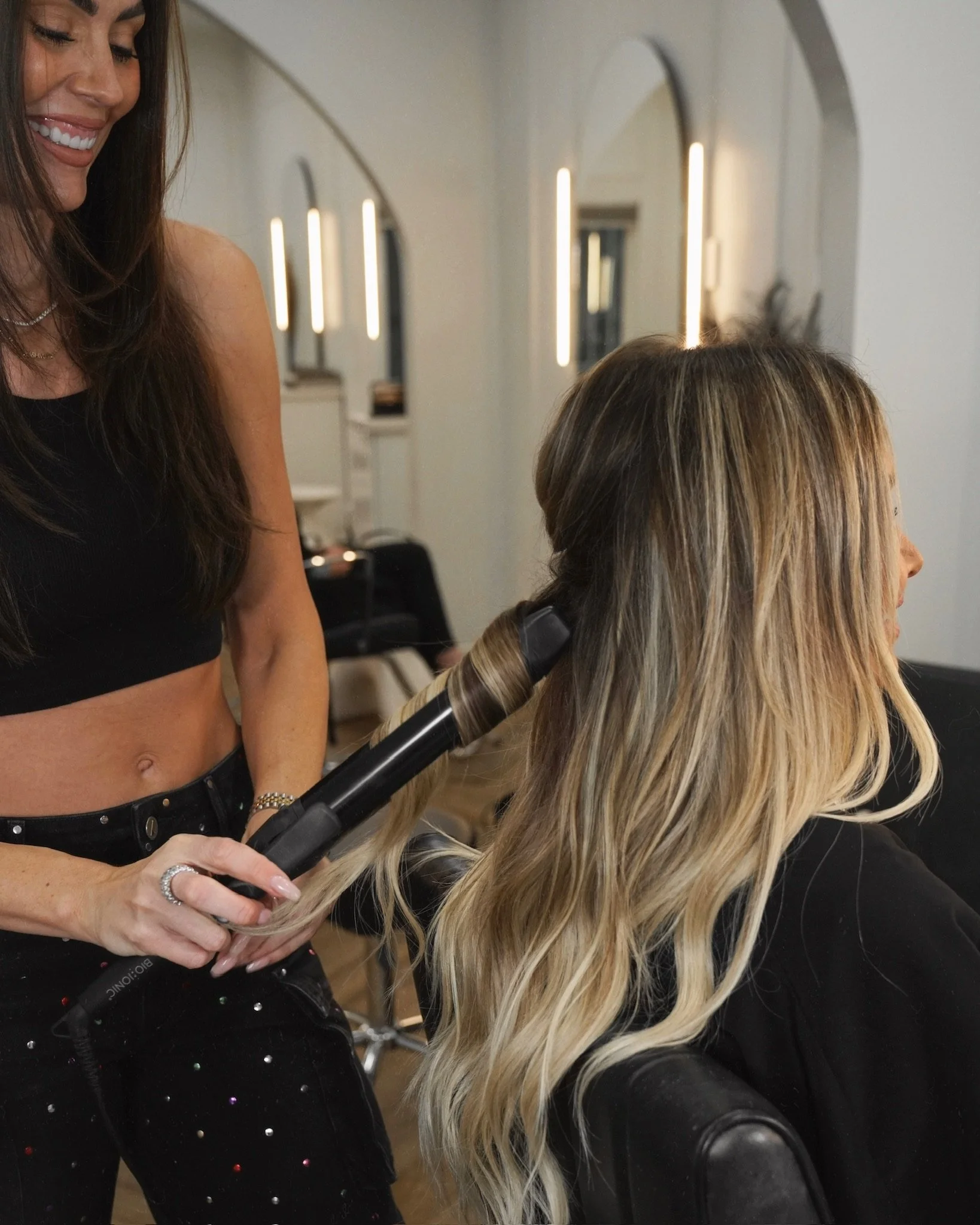
They're helping clients understand how to protect their investment between appointments and creating maintenance routines that support long-term hair health.
That's where the future of luxury hair is headed.
The Kashmir Perspective
At Kashmir, we've always believed luxury isn't just about how hair looks on installation day.
It's about how it performs weeks and months later.
That's why we prioritize exceptional sourcing, thoughtful education, and techniques that protect both the extensions and the natural hair underneath.
Because beautiful hair isn't created in one appointment.
It's built through hundreds of small decisions over time.
The future of beauty isn't about fixing damage after it happens.
It's about protecting healthy hair before it gets there.
Sources
Clinikally. Proactive Hair Care: Strategies to Prevent Early Hair Ageing. https://www.clinikally.com/blogs/news/early-age-hair-prevention
Estetica Export. From Repair to Prevention: Why Hair Care Is Entering Its Proactive Era. https://www.esteticaexport.com/from-repair-to-prevention-why-hair-care-is-entering-its-proactive-era/
American Academy of Dermatology Association. Hair Loss: Who Gets and Causes. https://www.aad.org/public/diseases/hair-loss/causes
Cleveland Clinic. Hair Loss (Alopecia): Causes, Diagnosis & Treatment. https://my.clevelandclinic.org/health/diseases/21753-hair-loss-alopecia
Harvard T.H. Chan School of Public Health. The Nutrition Source: Protein. https://www.hsph.harvard.edu/nutritionsource/what-should-you-eat/protein/