
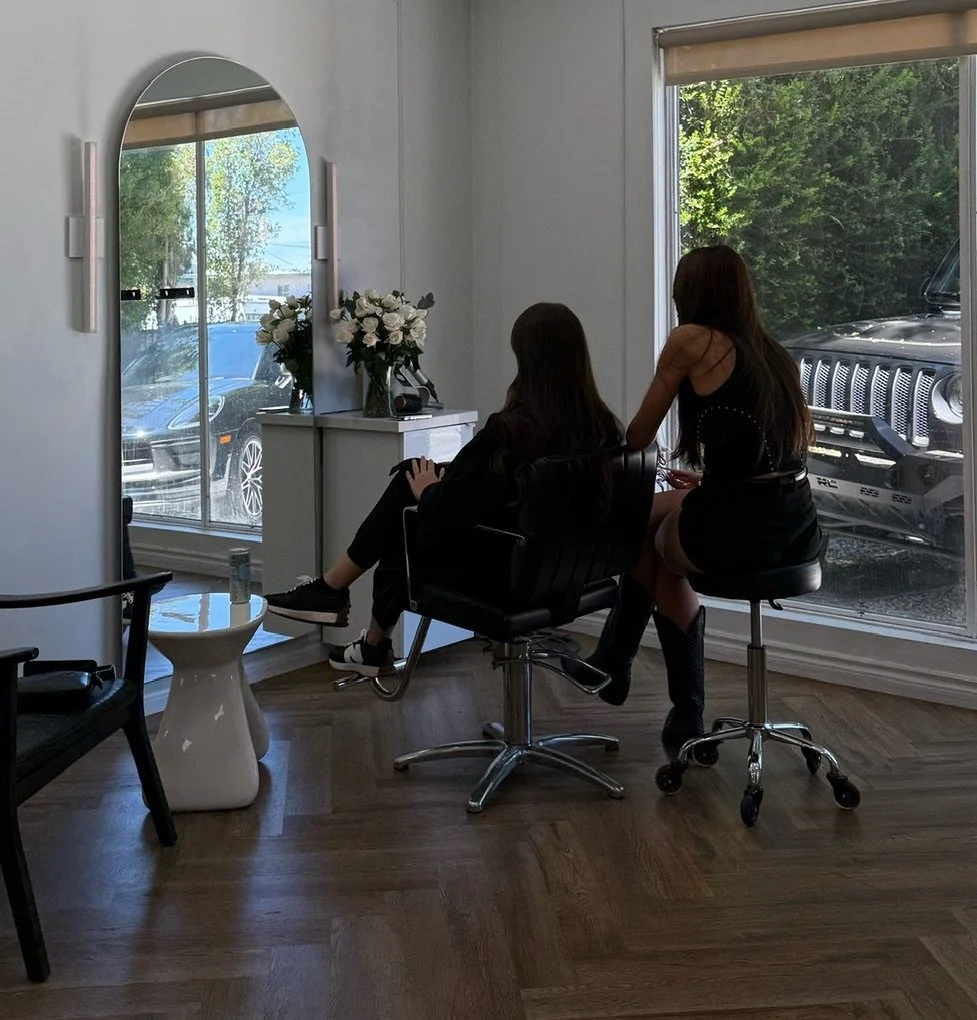
As artificial intelligence transforms beauty, real-world customization becomes even more valuable.
Artificial intelligence is changing the way we discover beauty.
It can recommend products, analyze preferences, generate inspiration and let us virtually experiment with a new shade or style before making a commitment. Across the beauty industry, brands are using AI for everything from virtual try-ons and personalized diagnostics to product development and customer service. Mintel describes this evolution as a transformation of the entire beauty journey, from initial discovery through purchase, use and retention.
Hair is becoming part of that digital experience, too. AI-powered tools can already simulate different hair colors and hairstyles using a photo or live camera. For someone considering a transformation, that can be a helpful place to begin. It makes experimentation easier, gives clients a new visual language for consultations and helps turn a vague idea into a more tangible direction.
But seeing a version of your dream hair on a screen and creating hair that works beautifully in real life are two very different things.
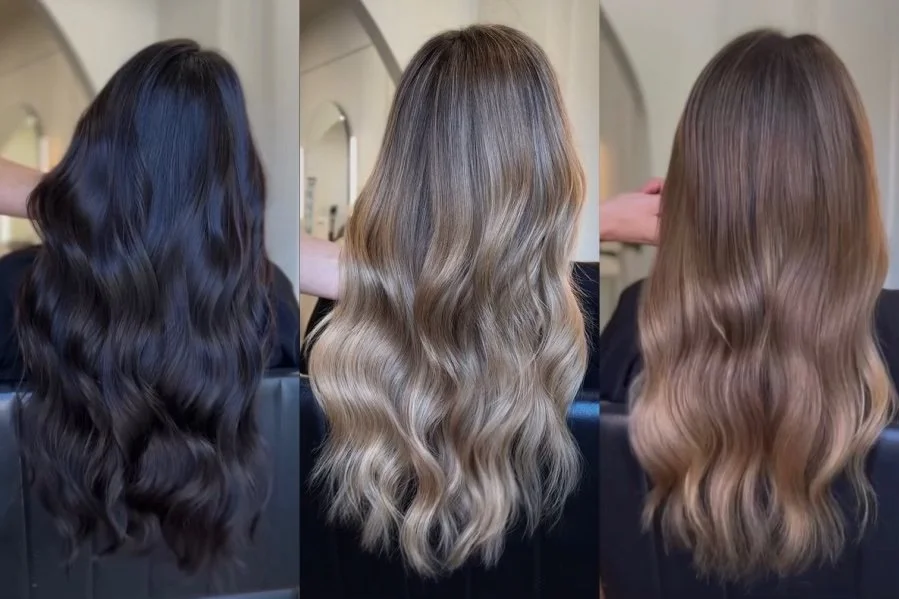
AI Can Create the Vision
One of AI’s greatest strengths is its ability to generate possibilities quickly.
A client can explore darker roots, brighter ends, more length or dramatically different volume without touching their natural hair. A professional can use those images to better understand what the client is responding to, whether it is the color, density, movement, silhouette or overall feeling of the look.
For extension professionals, AI can also support parts of the business beyond the chair. It can help organize inspiration, develop educational materials, streamline communication and create more personalized consultation experiences.
Used thoughtfully, it becomes another tool in the artist’s kit.
The limitation is that AI primarily understands what something looks like. A successful extension transformation depends just as much on what cannot be captured in a generated image.
Hair Does Not Exist in Two Dimensions
Real hair has history.
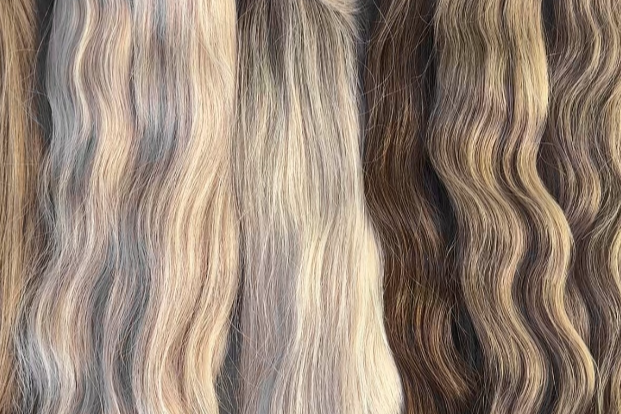
It has been colored, lightened, cut, heat-styled, chemically treated or grown out. It may be dense through the back and delicate around the hairline. It can hold a curl in one area and fall flat in another. It moves differently depending on its texture, condition, weight and environment.
An AI-generated image cannot fully assess:
The strength and integrity of the natural hair
Previous color services and underlying pigment
Density throughout different areas of the head
Texture variations and natural movement
The amount of weight the hair can safely support
Which attachment method will offer the best result
How the extensions will feel after hours of wear
How the color and texture will evolve between appointments
Those details determine whether extensions merely photograph well on installation day or continue to look natural, feel comfortable and perform beautifully over time.
The Difference Between Personalization and Customization
AI is often described as personalized because it can generate recommendations based on information it has been given.
True customization goes deeper.
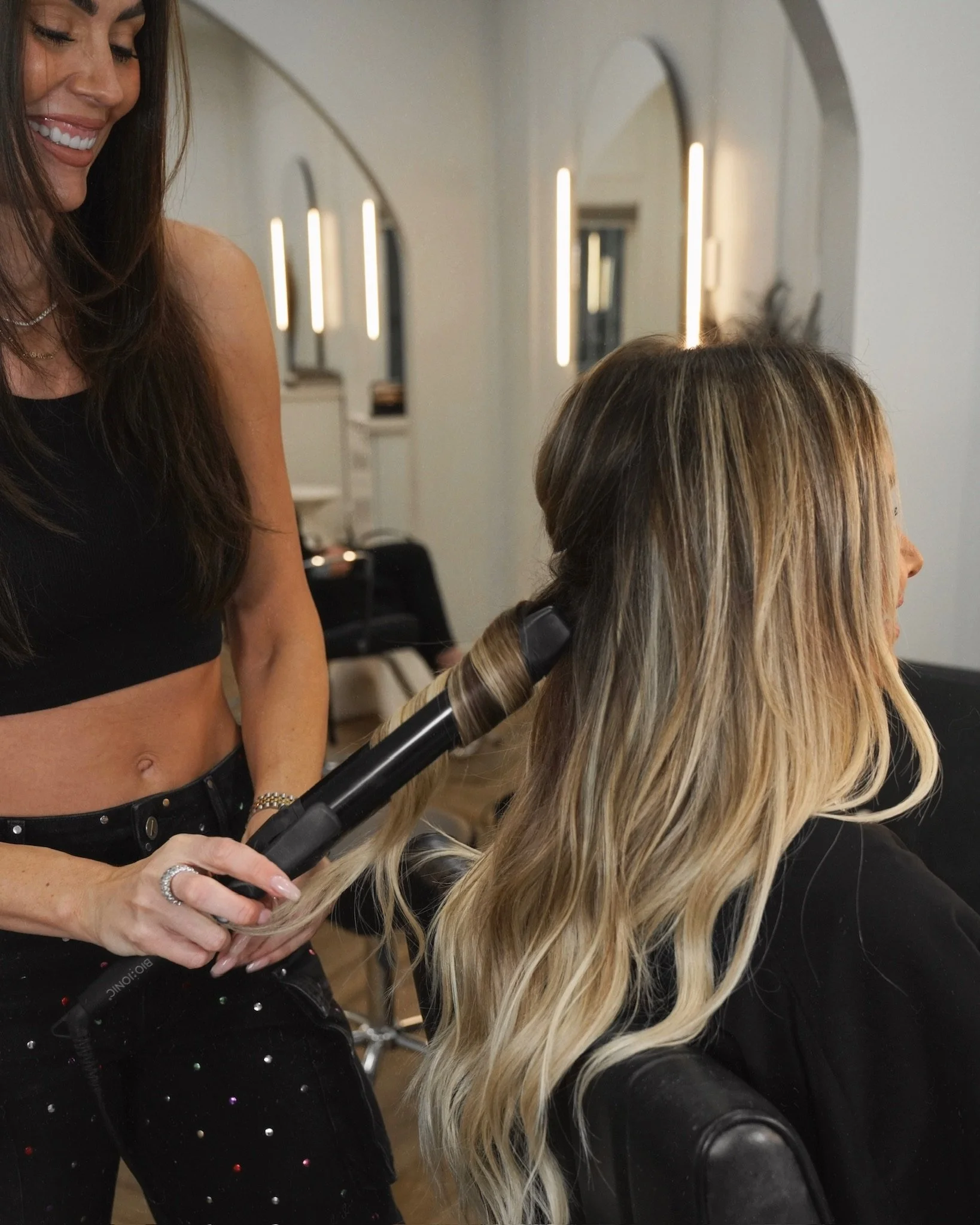
It requires observation, conversation, experience and adjustment. A professional may determine that the client’s original inspiration needs less density, a different placement pattern or multiple shades to blend naturally. The most seamless transformation may involve reinforcing one area while leaving another intentionally untouched.
There is no universal formula for a perfect installation because there is no universal head of hair.
At Kashmir, customization is not an added feature. It is the foundation of the service. The desired look is considered alongside the client’s natural texture, density, color history, lifestyle and long-term hair goals. The objective is not simply to recreate an image. It is to build a result that belongs to the person wearing it.
Why Human Expertise Matters More Than Ever
As digital tools make dramatic transformations easier to visualize, clients may arrive with more inspiration and higher expectations.
That does not make the role of the extension artist smaller. It makes the artist’s judgment more important.
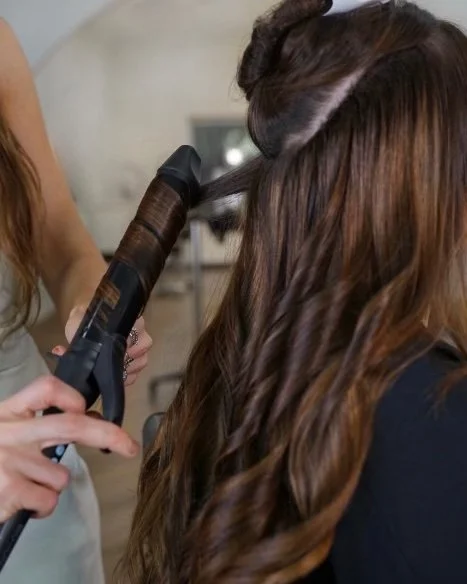
The professional becomes the bridge between digital possibility and physical reality. It is their job to identify which parts of an inspiration image are achievable, what should be adapted and how to protect the client’s natural hair throughout the process.
For Kashmir Pros, this means continuing to strengthen the skills technology cannot replicate:
Consultation. Understanding what the client wants to feel, not only what they want to see.
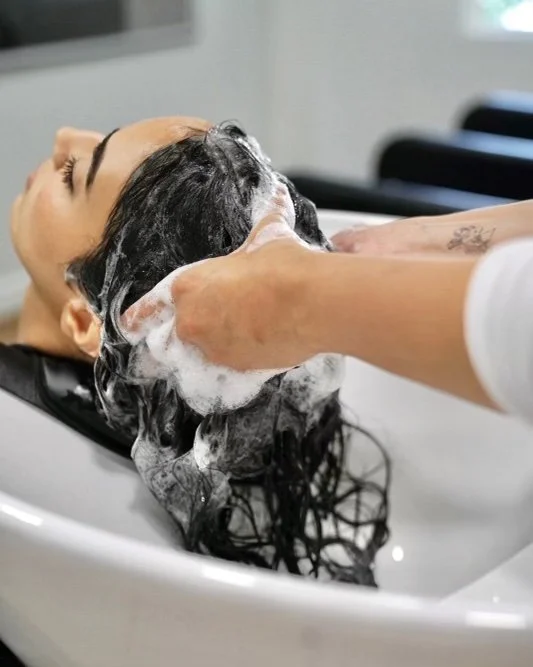
Assessment. Reading the natural hair, color history, density and condition before selecting a method.
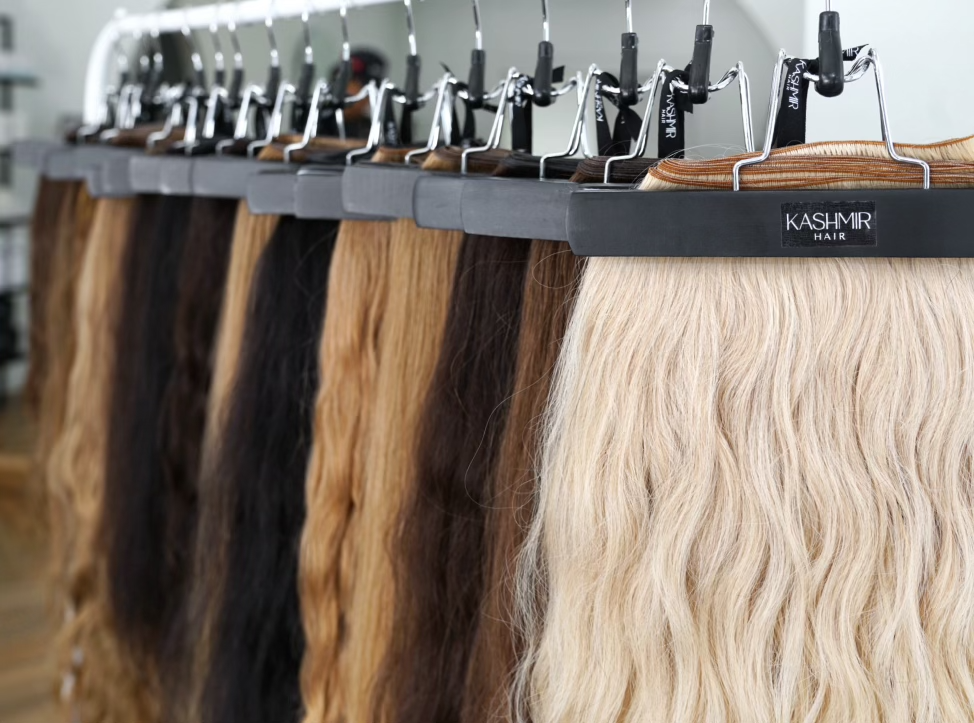
Material selection. Choosing extension hair with the appropriate quality, texture, length and weight.
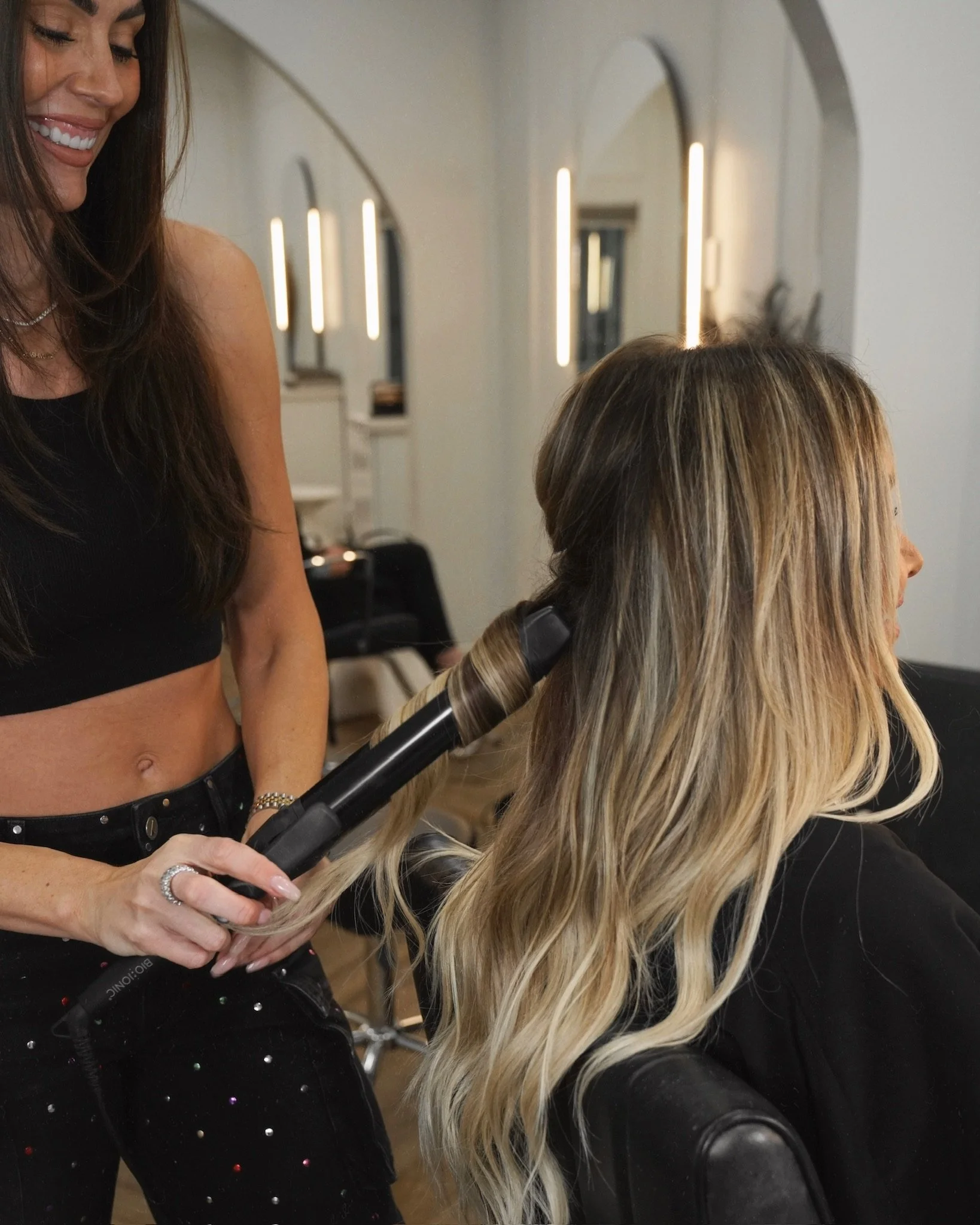
Color work. Building dimensional matches that respond naturally in different lighting.
Placement. Customizing every row, bond or detail to the individual head.
Long-term care. Considering how the installation will grow out, wear and be maintained beyond the first appointment.
AI may help communicate the destination. The professional still has to engineer the journey.
Better Technology Raises the Value of Better Hair
As beauty becomes more digitally sophisticated, the quality of the physical product matters more, not less.
A virtual image can generate perfect shine, density and movement instantly. Real extension hair has to deliver those qualities through washing, styling, travel, weather and everyday life.
That performance begins with the hair itself.
For professionals, premium extension hair provides the flexibility to create more precise, individualized work. For clients, it means the final result does not only resemble the reference image from one angle. It blends, moves and behaves like beautiful hair should.
This is where Kashmir Pro and Kashmir Extensions exist on both sides of the same belief: exceptional transformations require exceptional materials, expert hands and an understanding of the individual wearing them.
The Future Is Human and Intelligent
AI is not the opposite of artistry.
It can expand inspiration, simplify discovery and help clients communicate ideas they may not have been able to articulate before. Mintel’s proposed “Human × AI” approach offers a useful framework for beauty’s future: technology creates the greatest value when it strengthens rather than replaces human expertise.
In the extension industry, the most exciting future is not one in which technology creates the same answer for everyone.
It is one in which technology helps us imagine more possibilities, while skilled professionals determine what is healthy, flattering, sustainable and uniquely right for each client.
Because AI can generate a picture of beautiful hair.
Creating hair that looks, feels and lives beautifully is still an art.
Sources
Mintel, The Impact of AI on the Beauty and Cosmetics Industry: Emerging Global and Japanese Trends
L’Oréal, AI-powered beauty discovery and virtual try-on developments
Perfect Corp., AI and augmented-reality hair color and hairstyle virtual try-on technology